



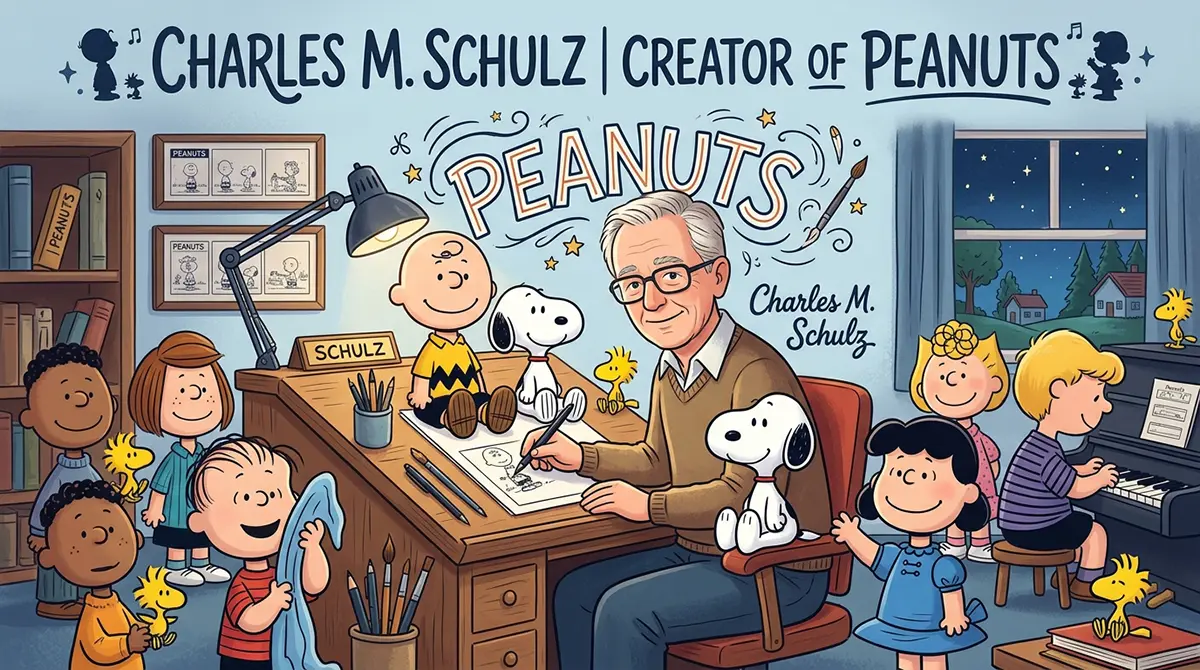
Charles M. Schulz: The Master of Peanuts and the Art of Vulnerability
Charles Monroe Schulz (1922–2000), affectionately known as “Sparky“, forever transformed daily newspaper comic strips, global comics, and the modern understanding of character design. Through Peanuts, Schulz drew, wrote, and lettered over 17,000 comic strips uninterrupted for nearly 50 years, creating one of the most influential narrative universes in the history of popular art.
In this new chapter of our Legendary Creators section, we analyze the life, minimalist aesthetics, emotional language, and design principles that turned a boy in a zigzag sweater and a daydreaming beagle into immortal icons.
1. Biography and Origins: The Boy Who Dreamed of Drawing
Born in Minneapolis, Minnesota, in 1922, Schulz displayed an absolute passion for illustration from early childhood. Nicknamed “Sparky” by an uncle (after the horse Spark Plug from the comic strip Barney Google), his path to success was paved with determination and quiet introspection:
- Correspondence School Training: After having his work rejected by several local publications during his teenage years, Schulz enrolled in the Federal Schools (later Art Instruction Schools), a correspondence art academy where he would later work grading and correcting other students’ assignments.
- The Birth of Li’l Folks (1947): Before Peanuts, he published a weekly panel series in the local St. Paul Pioneer Press titled Li’l Folks, which featured early prototypes of round-headed children and a dog strikingly similar to Snoopy.
- The Debut of Peanuts (1950): On October 2, 1950, the strip made its debut across seven newspapers under the publisher-assigned title Peanuts—a name Schulz famously disliked, preferring Charlie Brown. It marked the start of a global phenomenon that would eventually reach over 355 million readers across 75 countries.
2. Key Principles of Charles M. Schulz’s Character Design
Schulz’s visual style appears simple at first glance, but it is the result of a brilliant economy of line. Every stroke in Peanuts serves a precise expressive function:
A. Exaggerated Child Proportions (Spherical Heads)
Schulz designed his characters with heads that were proportionally enormous relative to their small bodies and slender limbs. This silhouette not only conveys immediate endearing sweetness, but it also directs all reader focus straight to the face and micro-expressions.
B. Economy of Line and Minimalist Expressiveness
No one conveyed such deep emotion with so few lines. With little more than a pair of dots for eyes, a small loop for a nose, and a simple curve for an eyebrow, Schulz could portray melancholy, resentment, boundless joy, or philosophical resignation.
C. The Absence of the Adult World
One of Schulz’s most brilliant narrative and design choices was the complete removal of adults on page and screen. Parents, teachers, and authority figures are never seen nor heard directly (in Bill Melendez’s famous animated adaptations, they were represented by the muted wah-wah sound of a trombone). This forced the children themselves to carry the full weight of adult psychology, philosophy, and emotion within the panel frame.
3. Gallery of Icons: The Peanuts Gang
Charlie Brown
The eternal, noble underdog. Designed with his unmistakable yellow t-shirt featuring a black zigzag stripe, a round head, and a single curl of hair on his forehead. He represents perseverance, human vulnerability, and the capacity to pick oneself up after every defeat (exemplified by his iconic failed attempts to kick the football).
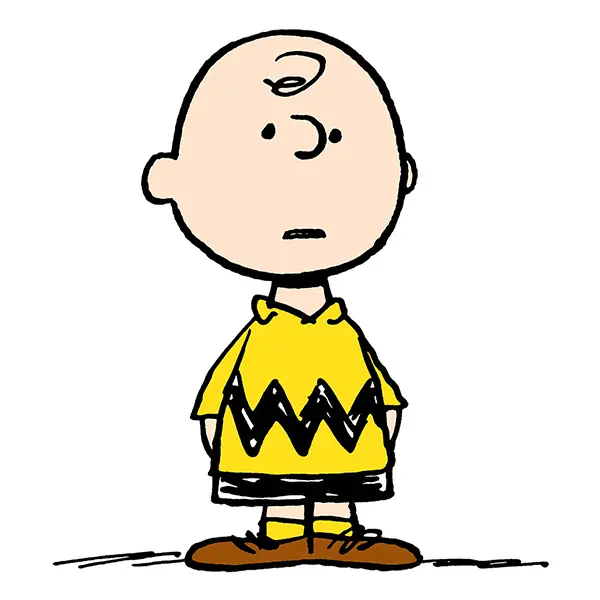
Charlie Brown is the iconic protagonist of the comic strip Peanuts, created by American cartoonist Charles M. Schulz in 1950.
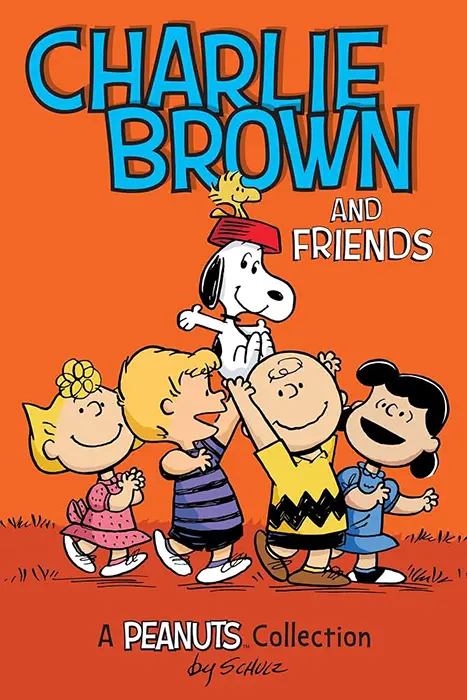
Snoopy
The iconic beagle. He began walking on all fours like an ordinary dog, but quickly evolved into an anthropomorphic posture. Famous for his boundless inner fantasy life: ranging from his alter ego as a World War I flying ace atop his doghouse roof to an underappreciated novelist.
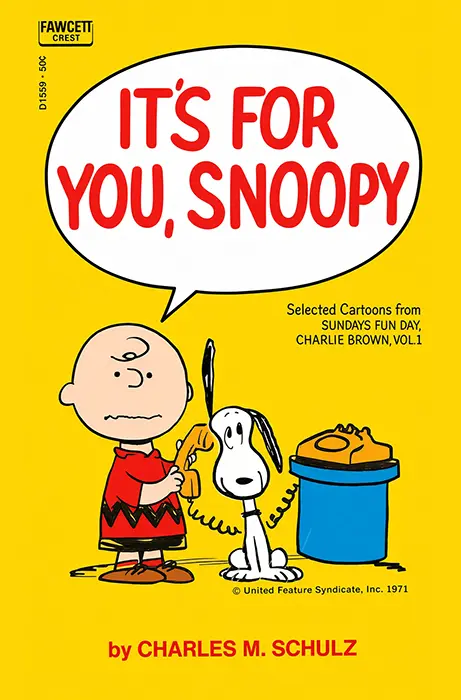
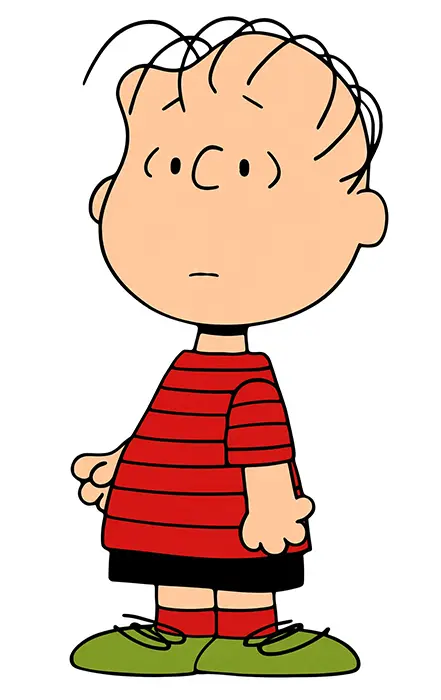
Linus van Pelt
The group’s resident philosopher. Designed in a horizontal striped t-shirt and always clutching his inseparable security blanket. Linus blends staggering theological and intellectual wisdom with a deep need for emotional comfort. He is Charlie Brown’s best friend and Lucy’s younger brother, making his first appearance in 1952.
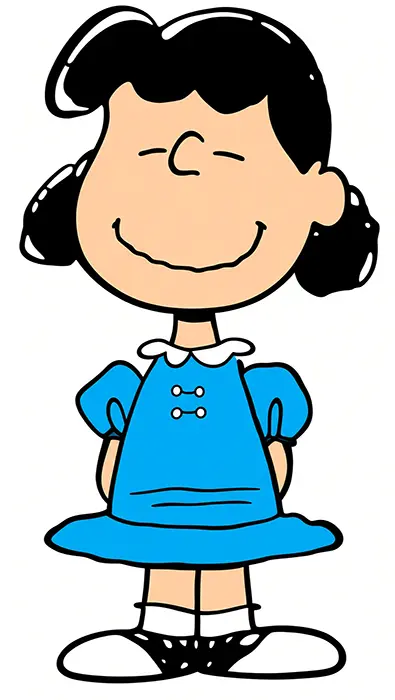
Lucy van Pelt
The antithesis of Charlie Brown. Strong-willed, bossy, direct, and sarcastic, she is instantly recognizable by her blue dress and commanding facial expressions. Her 5-cent psychiatric help booth is one of the most iconic recurring gags in comic strip history. She is the older sister of Linus and Rerun.
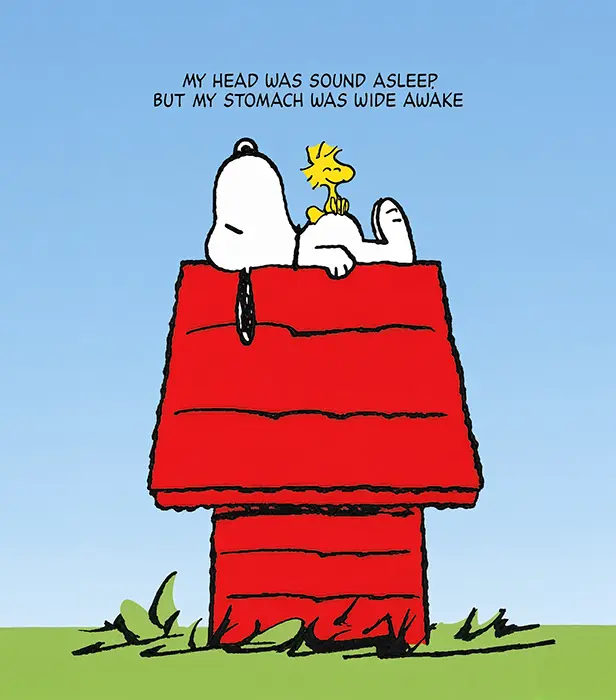
Woodstock
The little yellow bird with a clumsy flying style who serves as Snoopy’s loyal confidant. Communicating solely through hatch marks and exclamation points, his expressive body language demonstrates Schulz’s mastery at instilling vast personality into extreme simplicity.
Woodstock is Snoopy’s best friend; while the character first appeared in the strip during the 1960s, he was officially named Woodstock in 1970.

4. Narrative Revolution: Philosophy, Melancholy, and Intellectual Humor
Before Charles M. Schulz, children’s comic strips relied primarily on physical slapstick—pranks, falls, and simple visual gag comedy. Schulz shattered that paradigm by introducing existential themes within a basic four-panel format:
- Loneliness and Anxiety: Peanuts openly addressed mild depression, insecurity, unrequited love, and the fear of rejection, humanizing its characters in a way never before seen in mainstream mass media.
- Subtle Social Commentary: Through characters like Peppermint Patty and Franklin (one of the first Black characters to be naturally integrated into mainstream comics in 1968), the strip tackled themes of equality, education, and civil rights without ever losing its poetic, gentle tone.
5. Legacy and Global Impact
Schulz worked entirely solo—famously refusing to use assistants to ink his strips or draw background details. His dedication earned him the deep admiration of giants in creative media, including Jim Henson (creator of The Muppets), Matt Groening (creator of The Simpsons), and Bill Watterson (creator of Calvin and Hobbes), all of whom cite Schulz as a primary influence.
With legendary television specials like A Charlie Brown Christmas (1965), global merchandising, and a star on the Hollywood Walk of Fame, Charles M. Schulz proved that vulnerability and emotional honesty are the truest paths to creating immortal characters.
Frequently Asked Questions (FAQ) about Charles M. Schulz
Why is the strip named Peanuts instead of Snoopy or Charlie Brown?
The name Peanuts was chosen by the syndicate United Feature Syndicate, referencing a popular phrase at the time used to describe the children’s audience section (“the peanut gallery”). Charles M. Schulz famously disliked the title, feeling it lacked dignity and diminished the quality of his work.
What breed of dog was Snoopy based on?
Snoopy is a Beagle, inspired by a dog named Spike that Schulz owned during his youth, who was known for his remarkable intelligence and unusual habits.
Is it true that Schulz drew every strip by himself without assistants?
Yes. Unlike almost all major daily comic strip artists of his era, Schulz wrote, penciled, inked, and hand-lettered every single Peanuts strip for 50 years, from 1950 until his retirement just one day before his death in February 2000.