


Manga Drawings & Illustrated Stories: Immerse Yourself in Japanese Art
Manga drawings are an illustration style with roots in Japan. While the term “manga” in Japan refers to all types of comics and cartoons, in the West, it specifically describes Japanese comic art, known for its distinctive visual style and unique storytelling techniques.
When it comes to visual features, manga characters stand out for their iconic traits—most notably big, expressive eyes and dynamic, stylized hair. In addition, manga artwork frequently incorporates fantastic and supernatural elements, covering a vast range of genres such as action, adventure, sci-fi, drama, comedy, horror, and romance.
Manga art has achieved global popularity, with many famous titles adapted into animated television series, feature films, and video games. When these manga drawings come to life through animation, they enter the world of Anime.
Explore our exclusive collection of unique manga drawings, character illustrations, and original short stories! Immerse yourself in the captivating world of Japanese visual storytelling with high-resolution artwork designed for manga fans, aspiring artists, and readers of all ages.
Free original Manga Stories & High-Resolution images and PDF to download
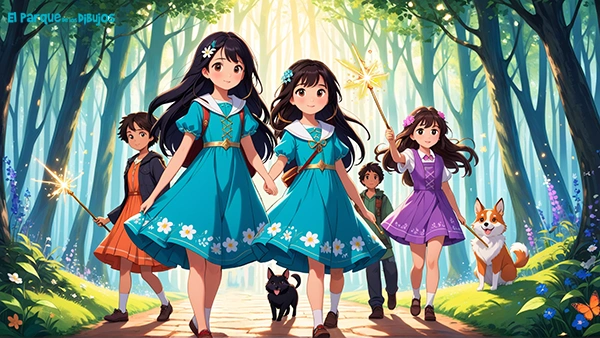
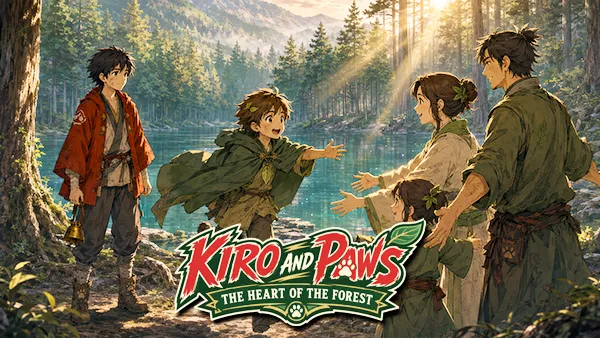
Discover our original illustrated manga adventures available for free! Click on any cover image below to read full online web comics, explore rich character artwork, and download high-quality printable PDFs.
Whether you are looking for creative inspiration, printable manga pages, or an entertaining fantasy comic, dive into our collection and start reading today!
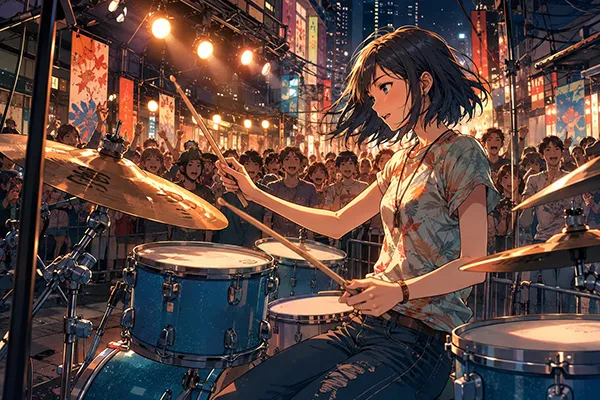
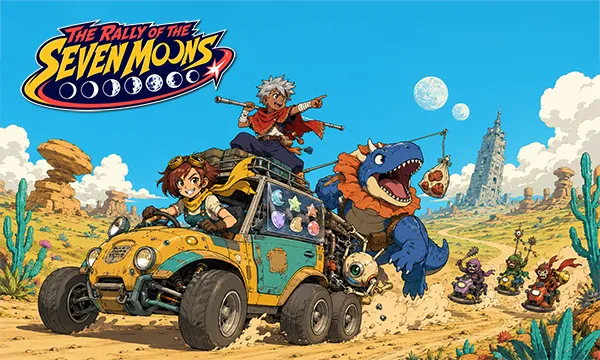
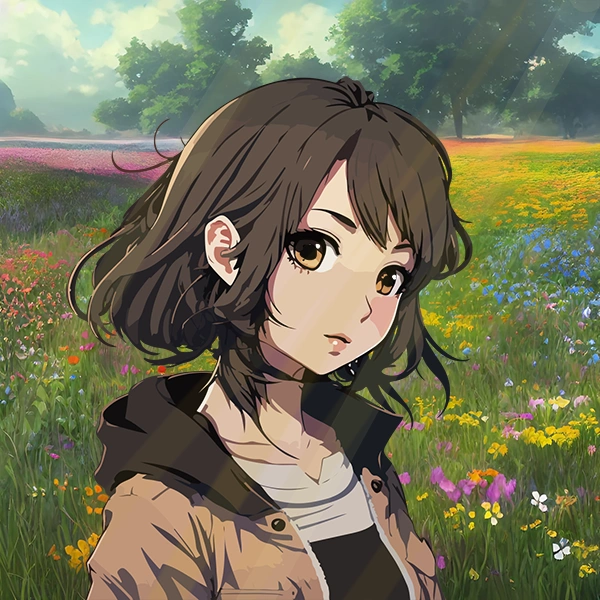
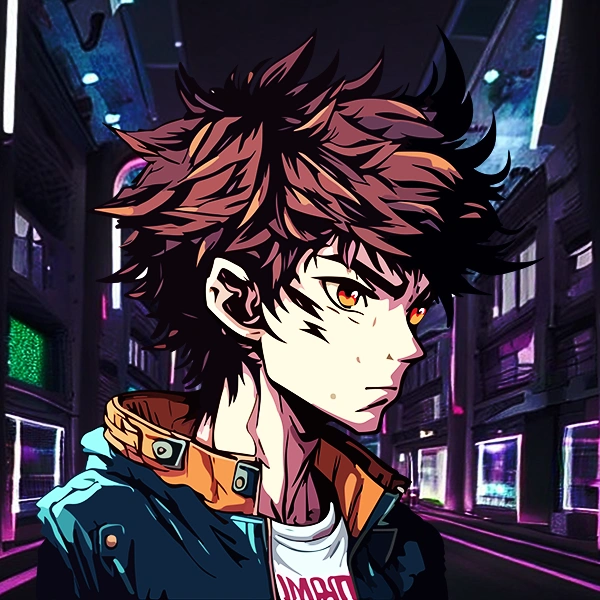
Manga drawings to print
Bring art into your life and use these beautiful illustrations to decorate anything you like! Click on the images you love most to open them as PDF files, download them, and get your printer colors ready. Print out and enjoy this incredible style of Japanese art!

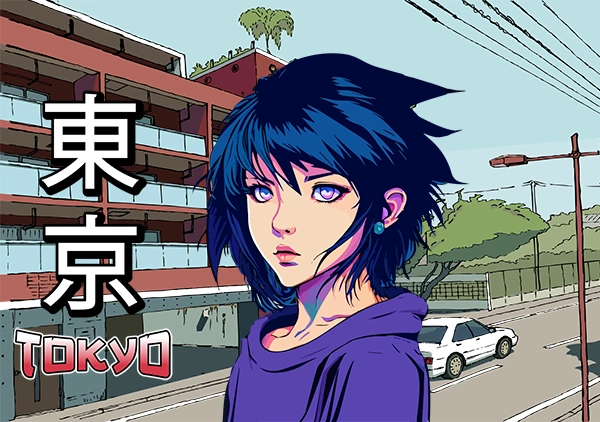
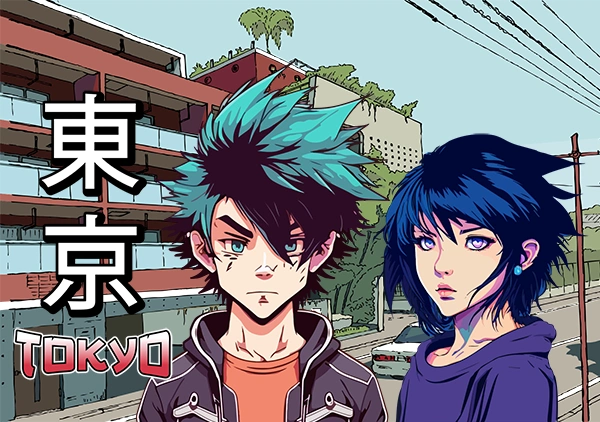
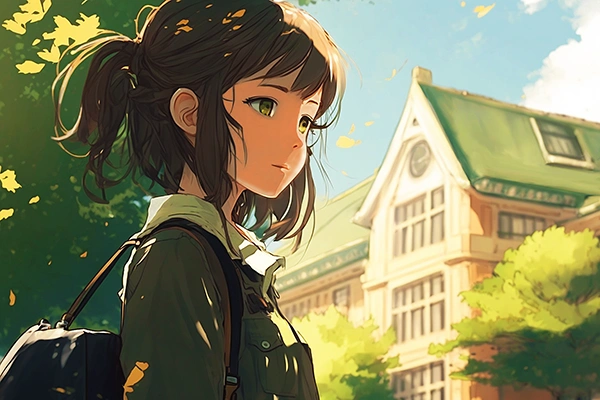
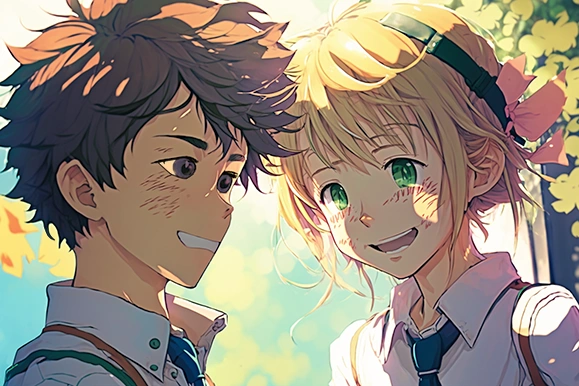
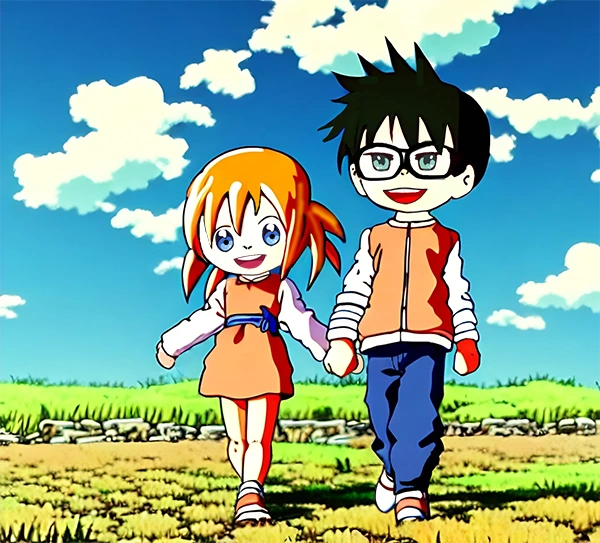

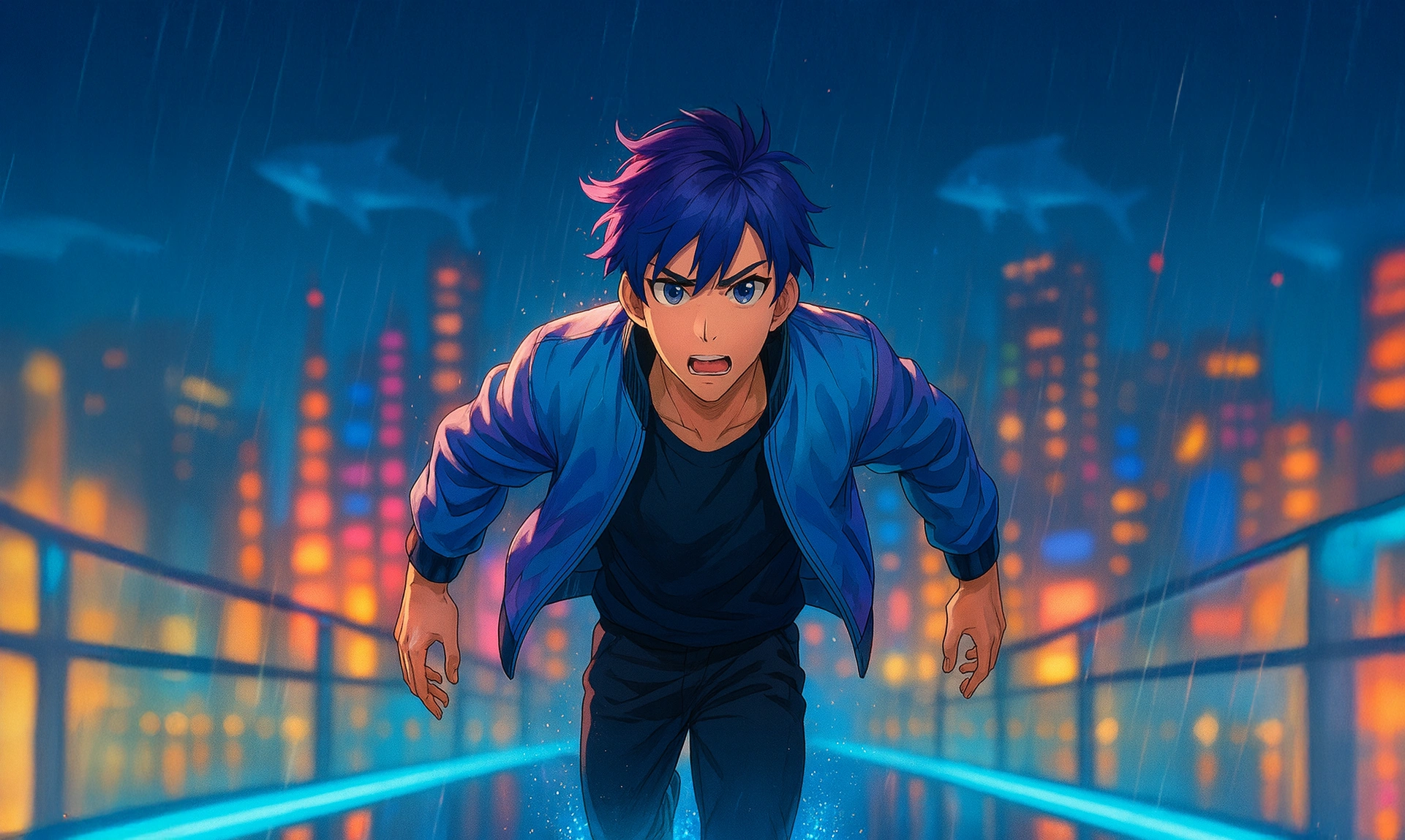

Don’t miss the animated music video with original manga-inspired music on our YouTube channel, clic here
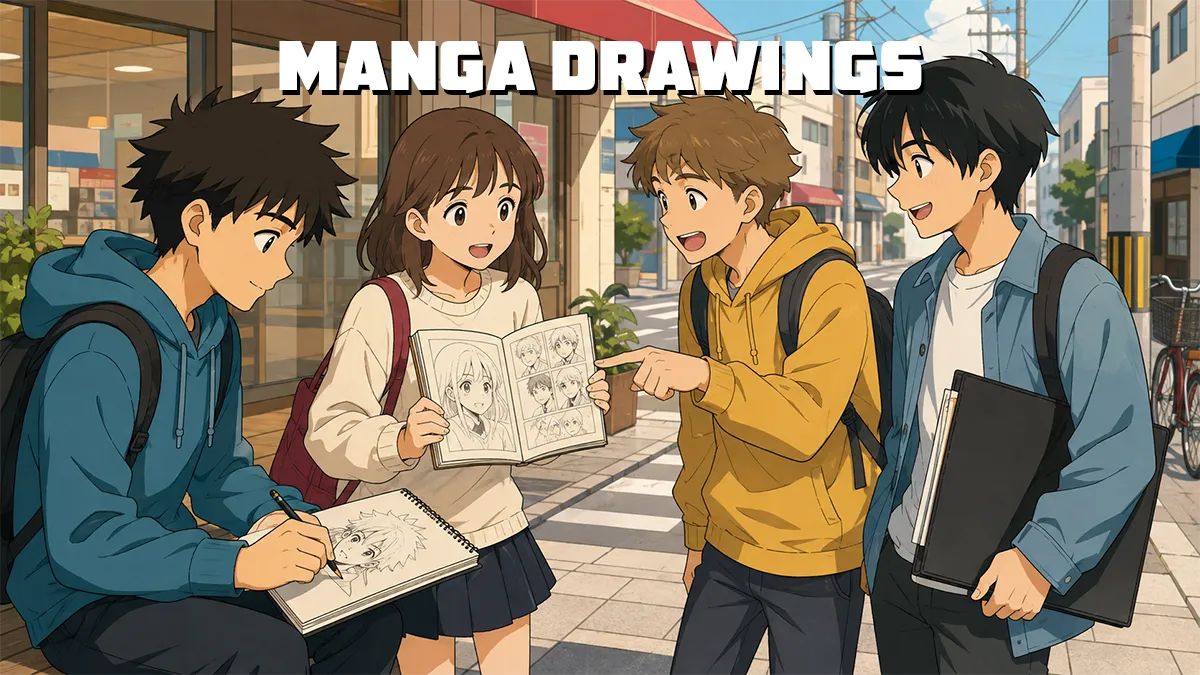
Manga Coloring Pages
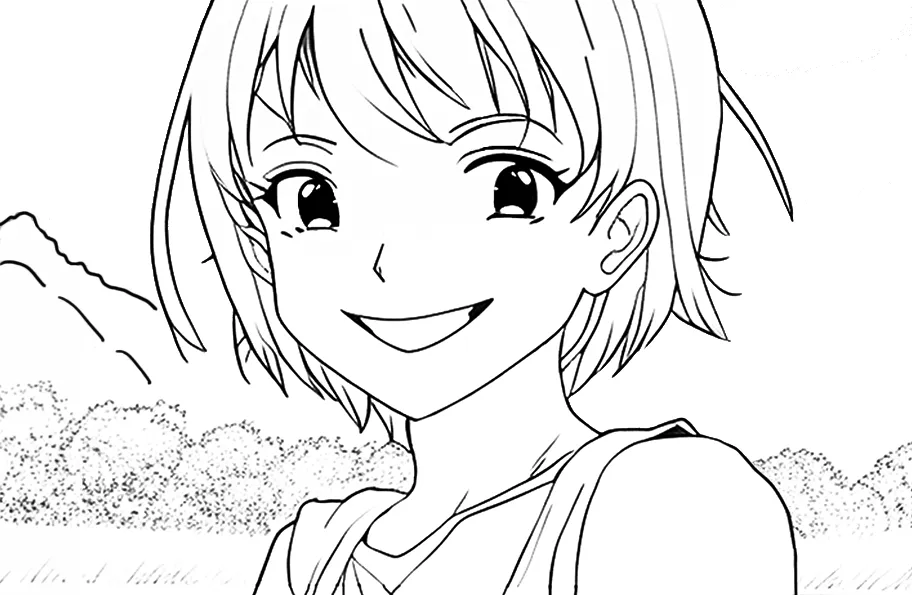
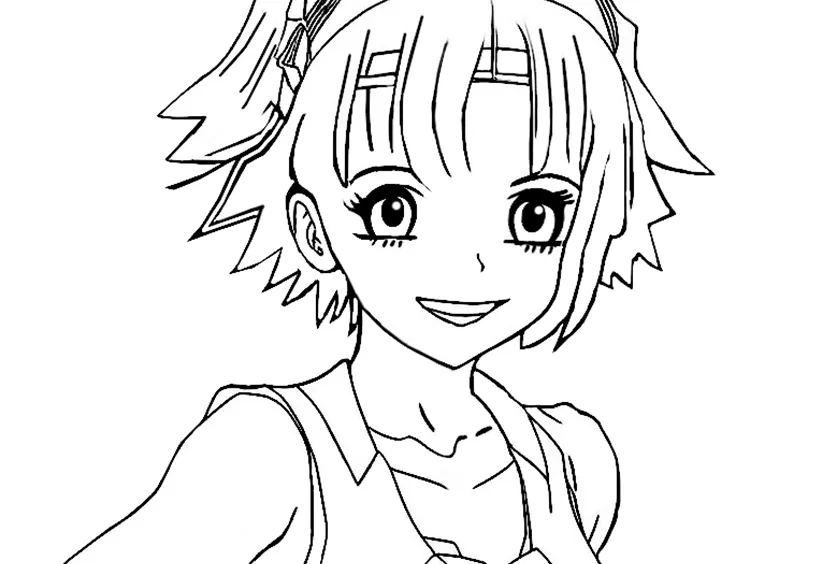
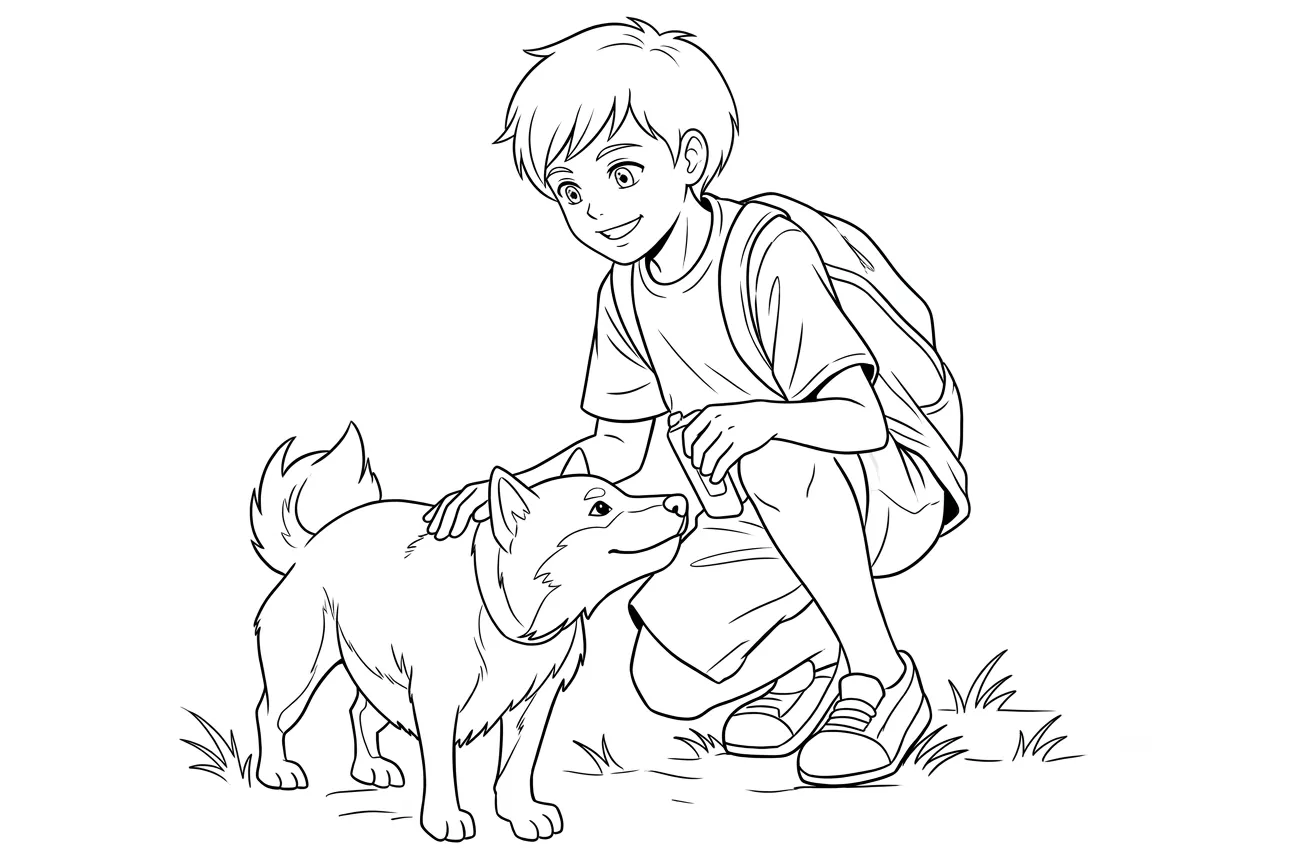
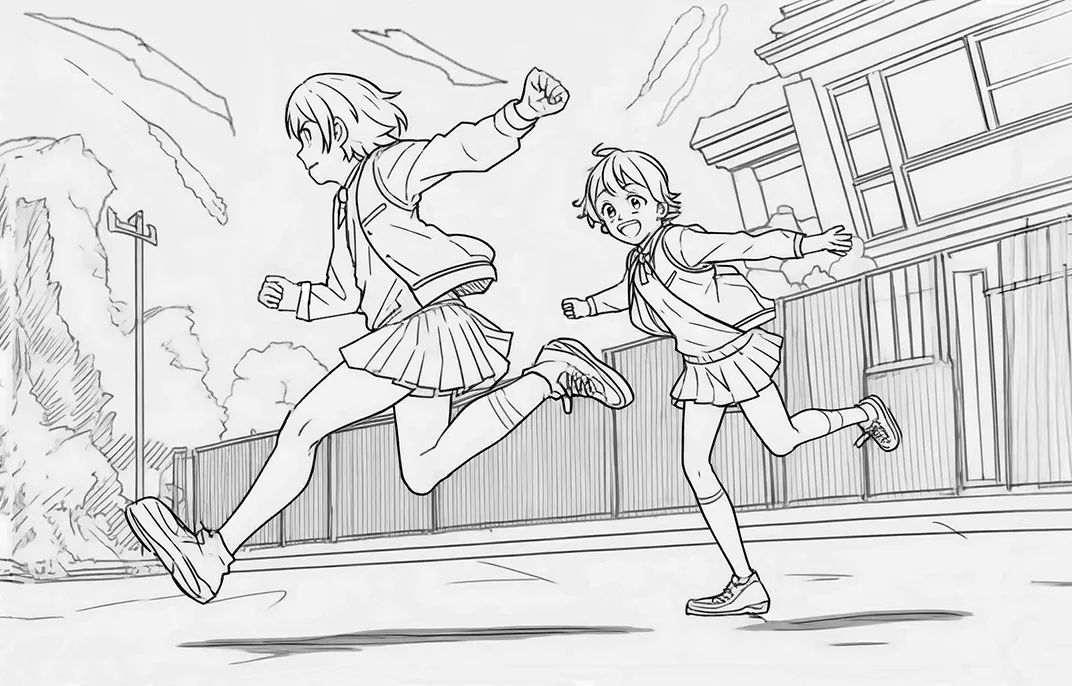
Practice your artistic skills and bring these black-and-white manga coloring pages to life! Whether you prefer coloring digitally or printing them out for traditional markers and pencils, dedicating time and effort to your art will help you hone your technique. With patience and practice, you can master the iconic anime and manga art style and become a skilled mangaka—a true Japanese comic artist. Explore our collection below, choose your favorite characters, and start coloring today!
Manga drawing templates & grid guides
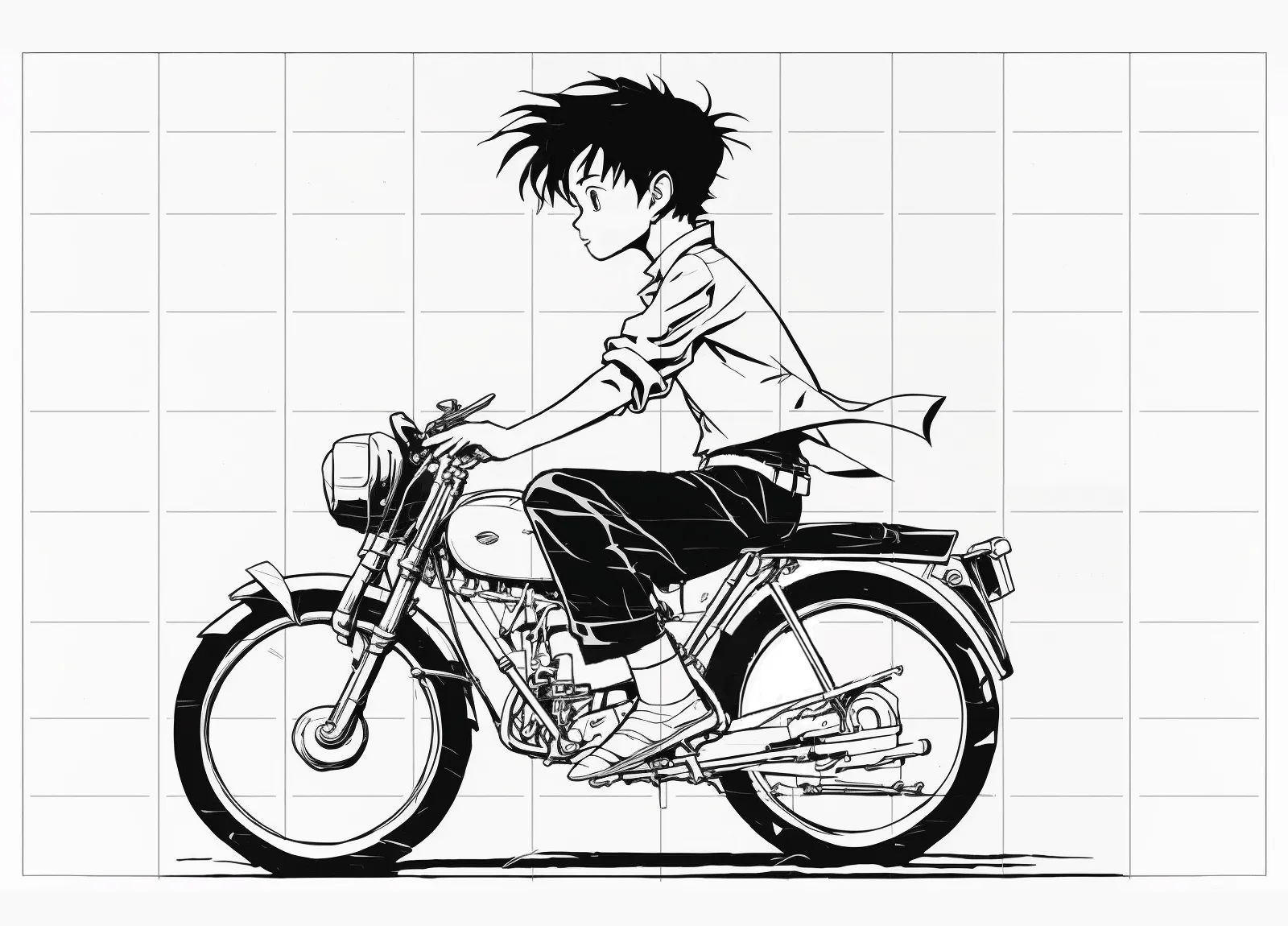
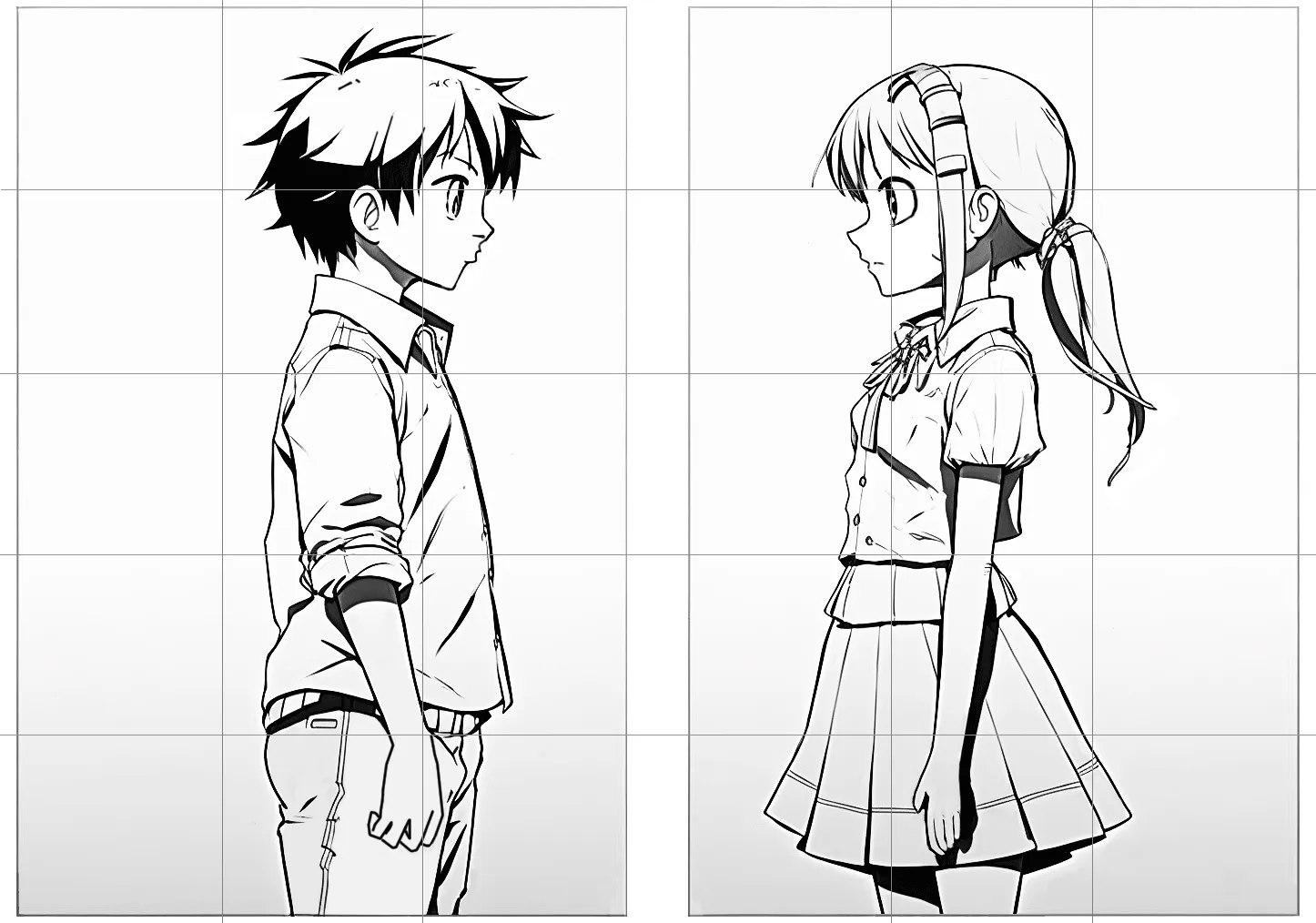
Use these grid-based manga drawing templates to practice and master the Japanese art style step-by-step! Grid drawing is one of the easiest ways for beginners to learn proportions, line art, and character design.
Follow this simple tutorial to learn how to draw manga using grid lines and guide boxes:
Step 1: Choose your template and analyze the grid
Select your favorite manga coloring page or drawing template. Before picking up your pencil, take a moment to observe how the image is divided. These grids and guidelines are designed to help you maintain accurate proportions while sketching.
Step 2: Start with Key Features (Head and Face)
A great place to begin is the grid section containing the main character’s head. Pay close attention to the shape, size, and positioning of the head within that specific box. Sketch light guidelines to match where the head starts and ends relative to its grid square.
By breaking a complex anime character down into smaller, bite-sized sections, it becomes much easier to visualize and replicate on paper.
Step 3: Map out the body using coordinates
Examine the remaining grid squares to map out the body and limbs. To make tracking even easier, you can label your grid with coordinates—number the horizontal axis (1, 2, 3, 4…) and letter the vertical axis (A, B, C, D…).
For example, if the torso spans from box 3-B down to 7-F, simply plot those points on your blank grid paper. Drawing in proportion has never been easier!
Step 4: Outline and refine the silhouette
Use the grid intersections as reference points to draw the full outline of the character’s body and pose. Keep your initial lines light so you can erase them later.
Step 5: Add details, inking, and shading
Once your base outline is complete, start adding the finer details: signature manga hair, expressive eyes, clothing folds, and background elements. Finish your drawing with bold ink lines, add cross-hatching or shading for depth, and apply your favorite colors!
Practice Makes Perfect! Learning how to draw manga takes time, patience, and practice. Don’t worry if your first attempt isn’t perfect—every line you draw brings you one step closer to mastering the art of the mangaka.
Which manga template are you going to draw first? Explore our collection below and start practicing today!
Don’t miss the animated music video with original manga-inspired music on our YouTube channel, clic here
Anime & Manga Character Design Templates & Model Sheet
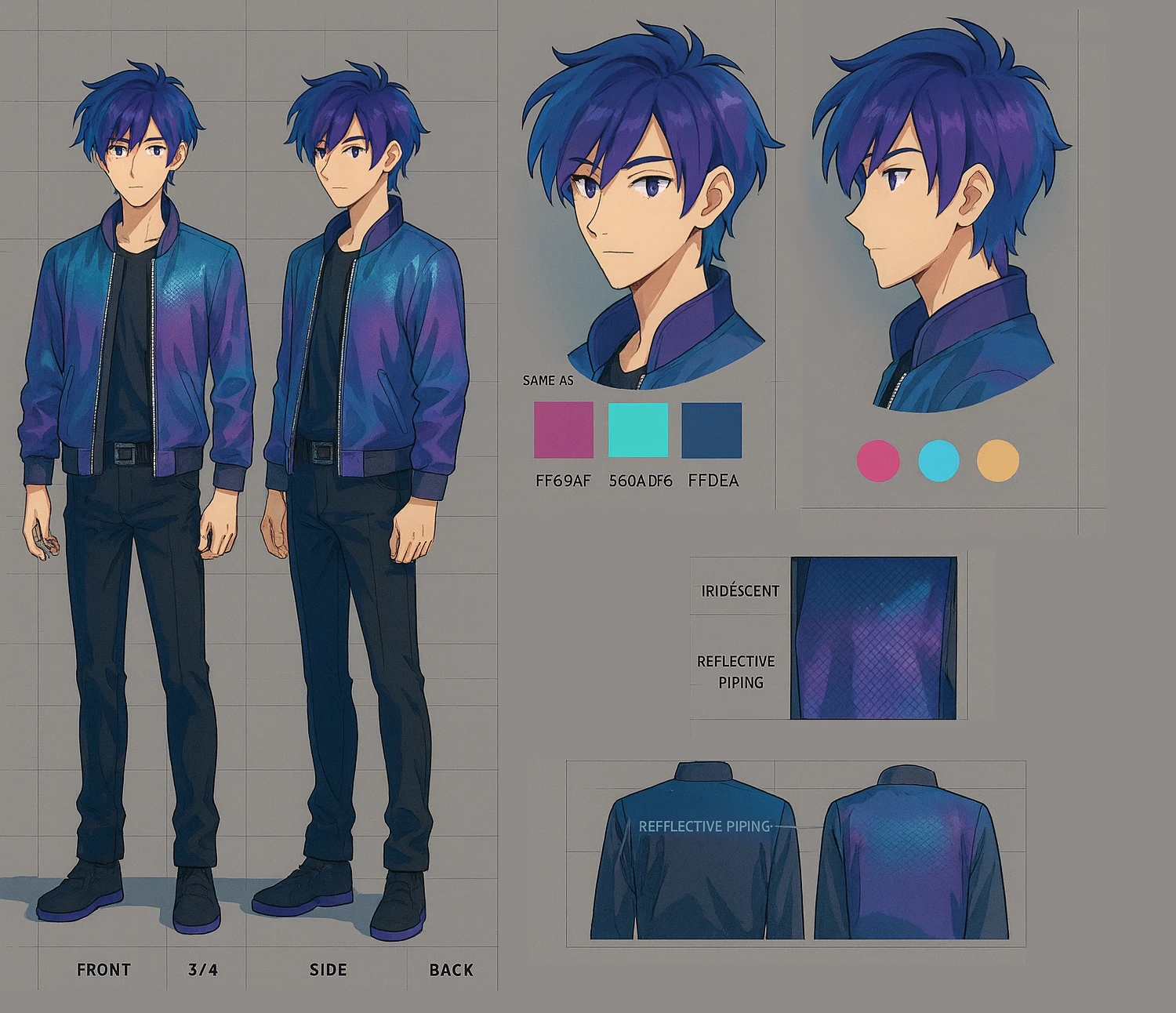
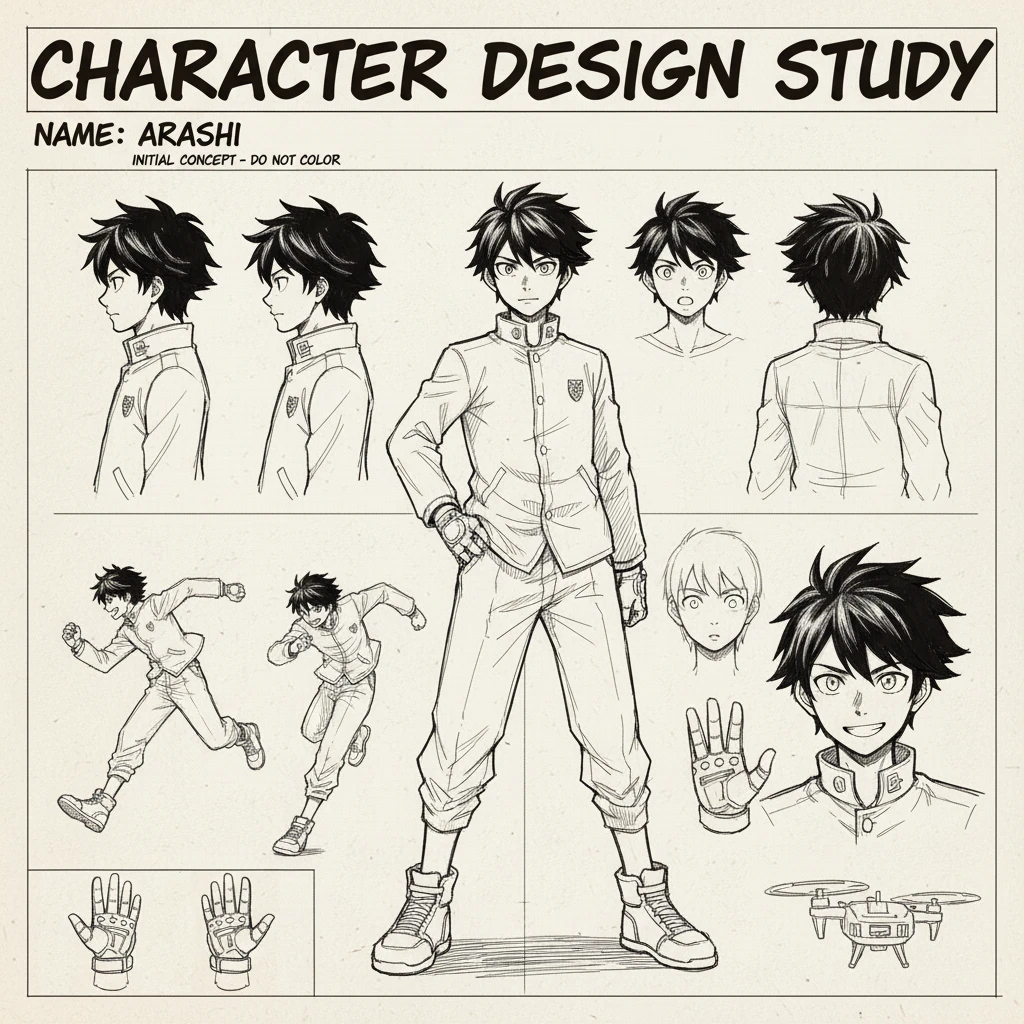
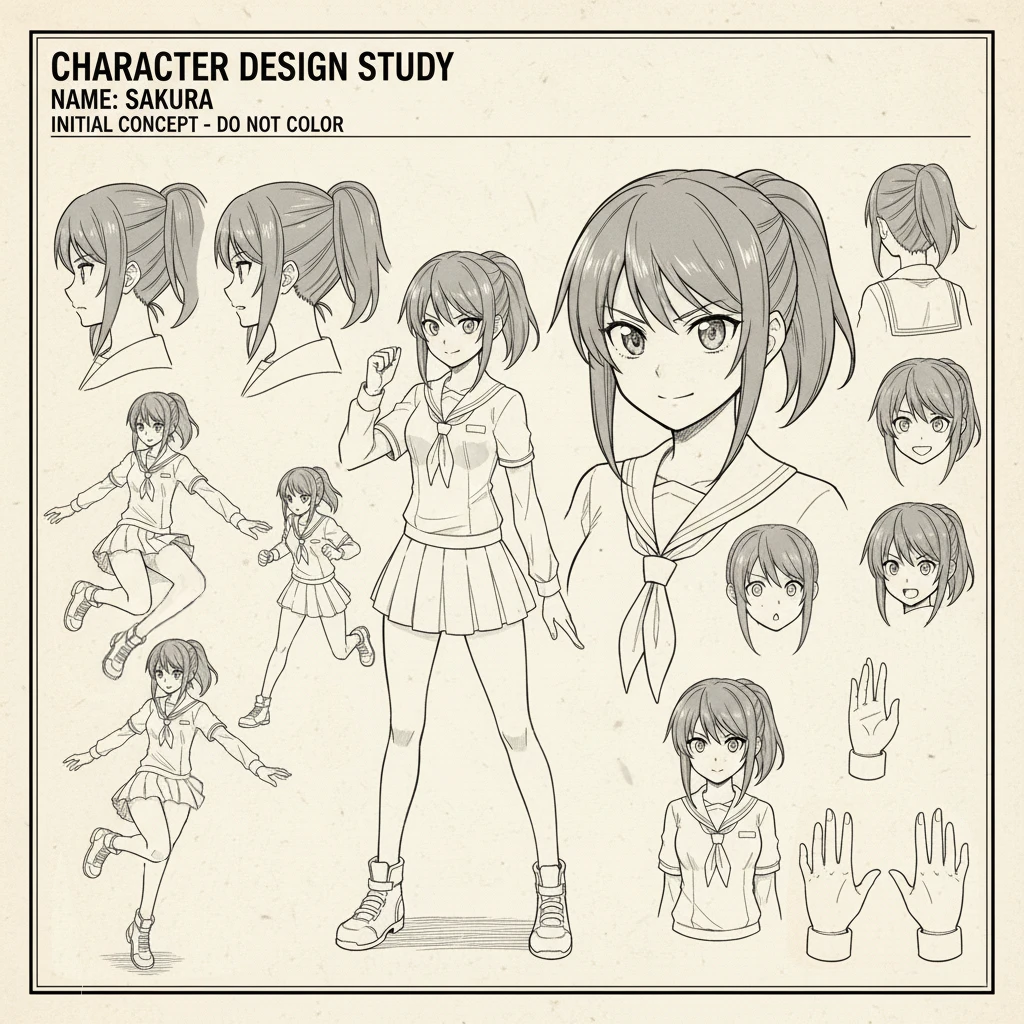
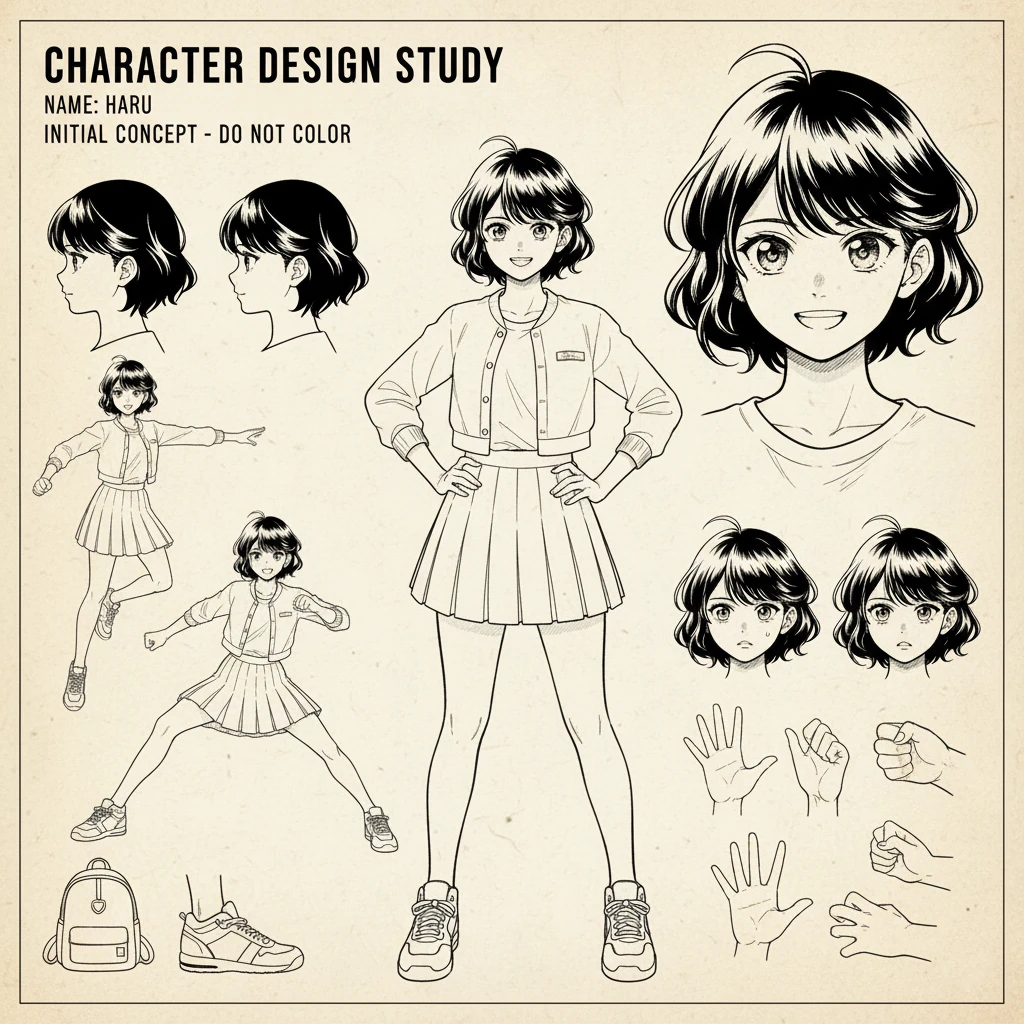
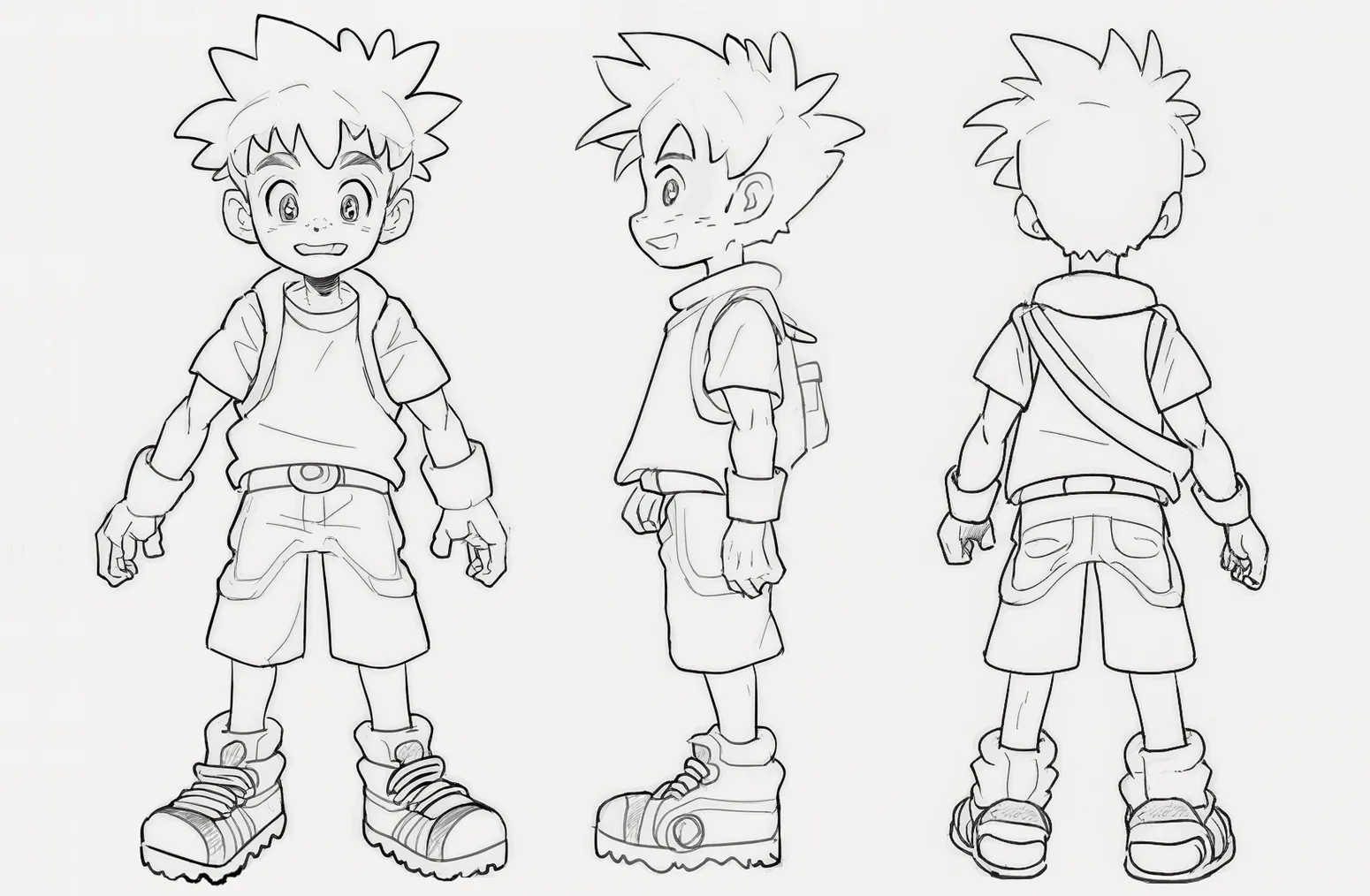
Master the art of character design with our professional Manga and Anime character templates and Model Sheets. Whether you are looking for composition inspiration, building a character bible for your indie comic, or wanting to speed up your sketching phase, these downloadable templates are the ultimate tool to streamline your creative workflow.
Why Use Character Model Sheets and Turnarounds?
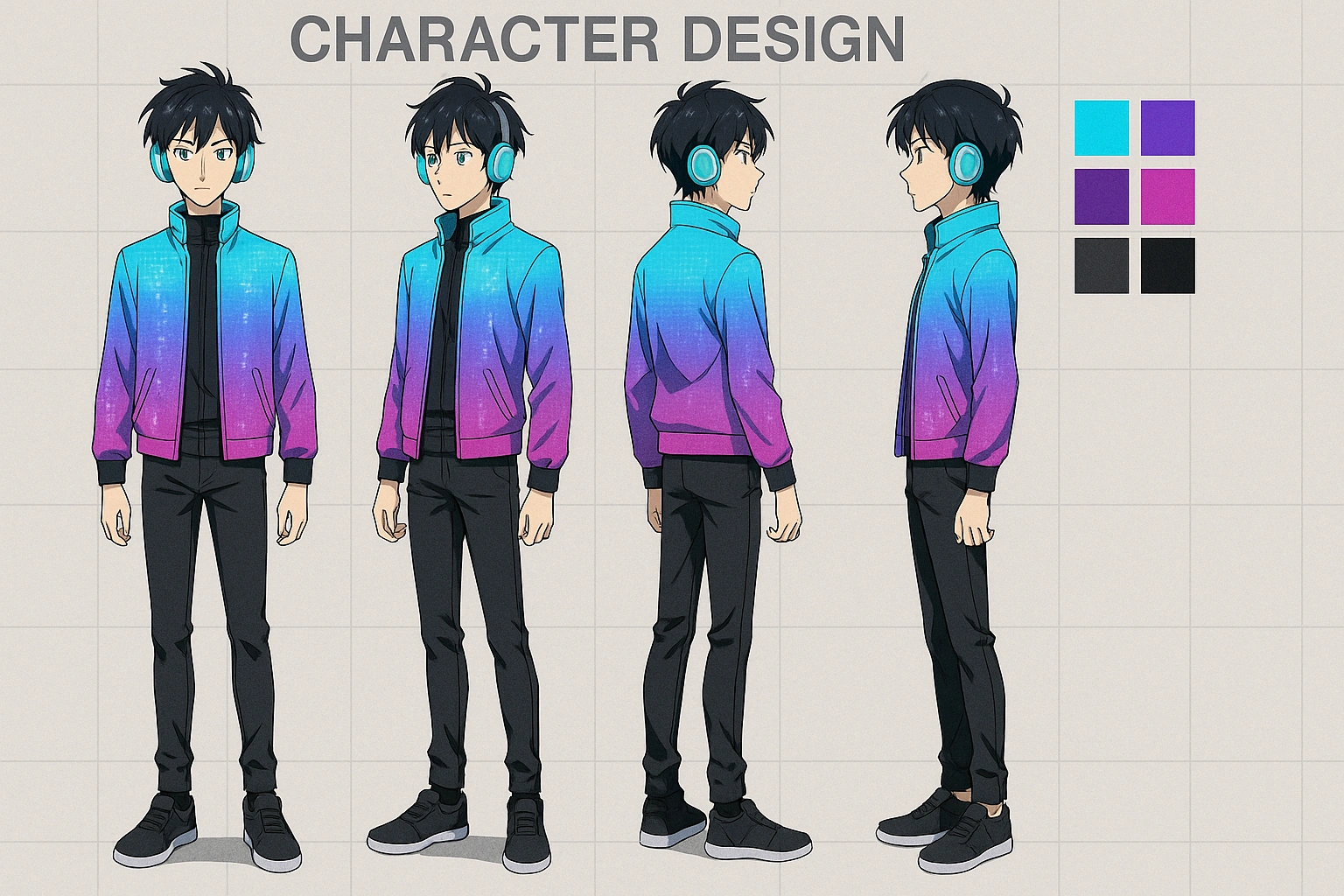
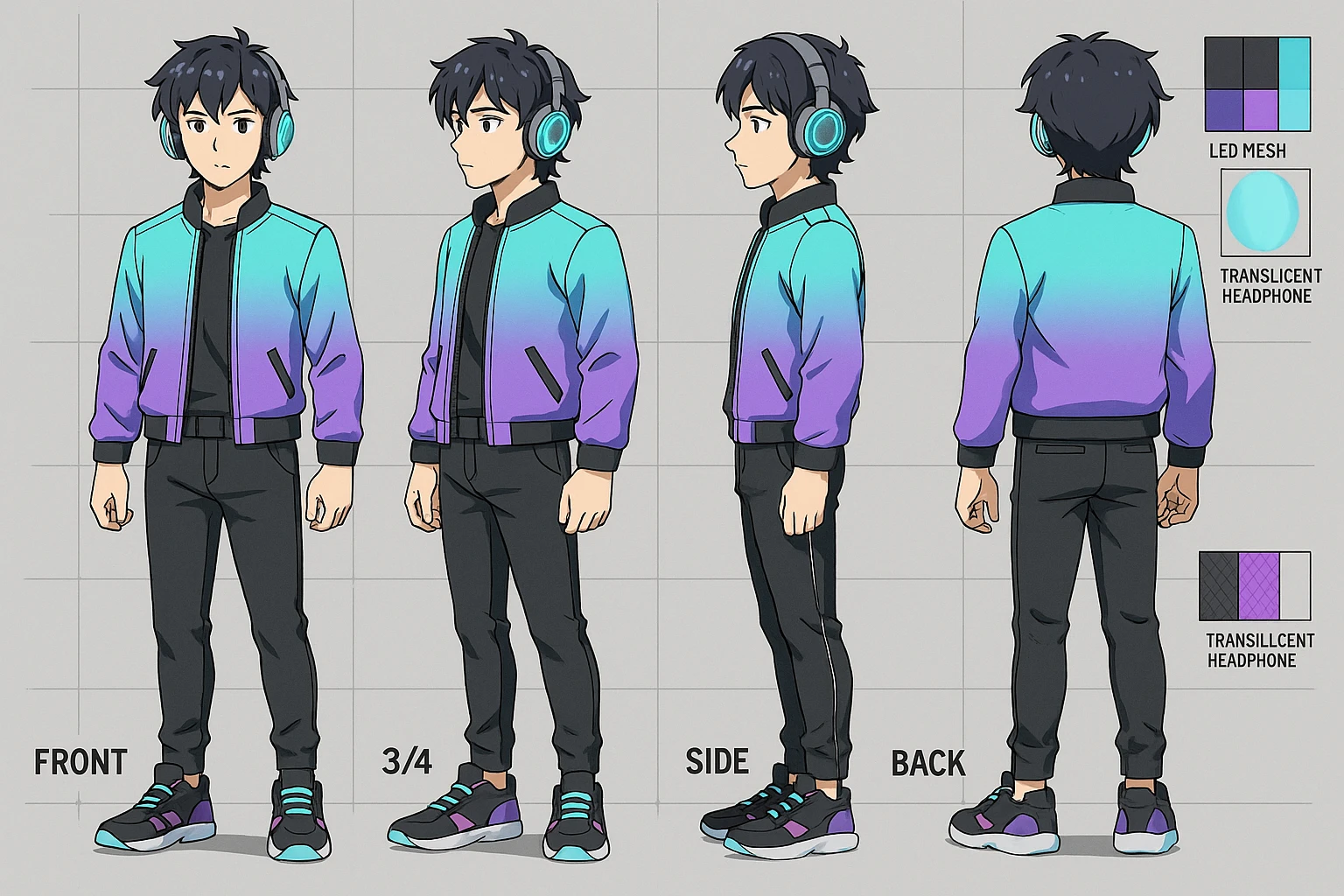
In professional anime production studios and manga publishing, consistency is everything. A Character Model Sheet (also known as a turnaround or character reference sheet) defines a character’s proportions, expressions, clothing folds, and key visual features from multiple angles (front, 3/4, side, and back view).
By establishing a clear reference guide early in your pre-production phase, you ensure that your character looks consistent in every frame of an animation or on every page of a manga.
Features of Our Character Design Templates:
-
Versatile Proportions: Designed to fit various anime character archetypes—from classic Shonen heroes and Shojo protagonists to chibi styles and modern sci-fi/fantasy designs.
-
Fully Customizable Base Models: Use these blank pose guides and anatomical bases as a foundation, then layer on your own unique hairstyles, outfits, weapons, and accessories.
-
Streamlined Animation & Comic Workflow: Save hours of repetitive drafting so you can focus on storytelling, dynamic poses, and rendering.
Whether you are a beginner taking your first steps in character concept art or an experienced artist preparing a pitch for an anime production, these reference guides will help you take your character designs to the next level.
Explore the detailed character study examples and model sheets below to kickstart your next project!
The Ultimate Guide to Manga Demographics and Styles
To understand manga art and Japanese animation, it is essential to distinguish between demographics (target audiences), storytelling genres, and stylistic devices. Unlike Western comics, the Japanese industry classifies its publications primarily by the age and gender of the intended reader.
1. Classification by Demography (Target Audience)
Manga magazines in Japan are strictly categorized by target audience. This division dictates the narrative structure, thematic complexity, and visual style of the series.
| Demographic | Kanji | Target Audience | Core Characteristics | Representative Examples |
|---|---|---|---|---|
| Kodomo | 子供 | Young Children (Ages 6–11) | Simple, educational, self-contained stories. Focuses on friendship, honesty, and fun with clean, legible line art. | Doraemon, Pokémon, Anpanman |
| Shonen | 少年 | Teen Boys (Ages 12–18) | Action-packed narratives, personal growth (Netsu-ketsu), teamwork, and grand adventures featuring young heroes pursuing ambitious dreams. | Dragon Ball, Naruto, One Piece, My Hero Academia |
| Shojo | 少女 | Teen Girls (Ages 12–18) | Focuses on interpersonal relationships, emotional growth, introspection, and romance. Features highly stylized, expressive artwork. | Sailor Moon, Fruits Basket, Kimi ni Todoke |
| Seinen | 青年 | Adult Men (Ages 18+) | Complex plots, deep character development, and mature themes ranging from psychological thrillers and politics to explicit horror or sci-fi. | Berserk, Monster, Vinland Saga, Tokyo Ghoul |
| Josei | 女性 | Adult Women (Ages 18+) | Realistic portrayals of romance, career pressures, social expectations, and adult relationships free from adolescent idealization. | Nana, Paradise Kiss, Wotakoi, Helter Skelter |
2. Classic Character Archetypes
Shonen and Shojo series frequently utilize universal character archetypes as foundational templates for building compelling party dynamics and rivalries.
Shonen Archetypes
Shonen narratives center around effort (Doryoku), victory (Shori), and friendship (Yūjou):
-
The Hyperactive Hero: Endlessly optimistic, blunt, and blessed with a massive appetite. Often starts as an underdog or outcast but possesses unshakeable determination to become elite (e.g., Goku, Luffy, Naruto).
-
The Edgy Rival: Dark-haired, reserved, analytical, and naturally gifted. Driven by a tragic past or an obsession with staying ahead of the protagonist (e.g., Sasuke Uchiha, Vegeta, Megumi Fushiguro).
-
The Wise Mentor: An older figure who projects a carefree, lazy, or eccentric facade, but harbors legendary power and master-level tactical wisdom (e.g., Master Roshi, Kakashi Hatake, Satoru Gojo).
-
The Loyal Support: The steadfast companion who provides emotional balance, acts as a strategist, or handles field healing and tactical support (e.g., Krillin, Shikamaru Nara).
Shojo Archetypes
Shojo prioritizes internal emotional landscapes, introspective monologues, and nuanced character growth:
-
The Clumsy Optimist: Empathetic, genuine, and often accident-prone. Possesses immense inner resilience despite initial self-doubt and navigates intense emotional realizations.
-
The Ice Prince (Megane / Cool Guy): Distant, hyper-popular, highly intelligent, and impeccably dressed. Maintains a cold exterior, revealing a gentle, vulnerable side exclusively to the protagonist.
-
The Childhood Friend: Supportive, protective, and ever-present. Represents comfort and stability, though frequently caught in unrequited romantic triangles.
-
The Sophisticated Rival: Proud, wealthy, and refined (often visually recognized by drill ringlet hairstyles). Acts as an initial antagonist before undergoing a redemption arc.
3. The Chibi or Super Deformed (SD) Style
Unlike demographics, Chibi (or Super Deformed) is not an audience category or genre, but a visual convention and artistic device applied across all manga genres.
It dramatically alters human anatomy—compressing character height down to 2 or 3 head lengths—to maximize cuteness (kawaii) or heighten comedic relief.
- Head 1 Head / Face
- Head 2 Chest / Shoulders
- Head 3 Waist / Torso
- Head 4 Hips / Pelvis
- Head 5 Thighs
- Head 6 Knees / Calves
- Head 7–8 Ankles / Feet
- Head 1 Oversized Head & Eyes
- Head 2 Tiny Torso & Arms
- Head 3 Micro Legs / Feet
Iconic Visual Devices in Chibi Style
-
The Rage Bubble & Sweat Drops: Visual shorthand (forehead veins, popping cross-marks, or massive temple sweat drops) expressing frustration or embarrassment without requiring dialogue.
-
The Bean Form: A complete breakdown of anatomical structure where the character simplifies into a bean or pill shape to convey shock, defeat, or absolute laziness.
-
The Chibi Mascot: A permanently miniature version of a main character designed for gag panels, ending credits, or promotional merchandise.
The enduring global popularity of manga stems from how these demographic structures, narrative archetypes, and stylistic devices seamlessly merge to craft universal stories with an unforgettable visual identity.
Would you like to add a section covering the historical evolution of manga art styles—from Osamu Tezuka’s early work to modern digital rendering—or dive into storytelling subgenres like Isekai, Mecha, and Slice of Life?
The History of Manga and Master Artists of Japanese Art
Manga is not merely a drawing style; it is a narrative discipline backed by centuries of visual evolution that combines traditional Japanese pictorial arts with modern cinematic techniques. Throughout history, this medium has evolved from local political satire into one of the most influential cultural and publishing phenomena on the planet.
1. Historical Evolution: From Medieval Scrolls to a Global Industry
| Era / Period | Historical Stage | Key Milestones and Artistic Evolution |
|---|---|---|
| 12th – 19th C. | Origins and Traditional Art |
First illustrated scrolls (Choju-jinbutsu-giga) and Edo-period woodblock prints (Ukiyo-e). Katsushika Hokusai coins the term "Manga" (whimsical drawings) in 1814. Emergence of illustrated books such as Karakuri Nikki. |
| 1900 – 1945 | Birth of the Modern Format |
Influence of Western satire and graphic illustration. Emergence of the first comic strips in Japanese newspapers and early children's magazine precursors. |
| 1945 – 1960s | Tezuka's Cinematic Revolution |
Publication of New Treasure Island (1947) by Osamu Tezuka, introducing cinematic camera angles, visual dynamism, and speed lines. Birth of the modern weekly magazine publishing industry. |
| 1970s – 1990s | Golden Age & Genre Consolidation |
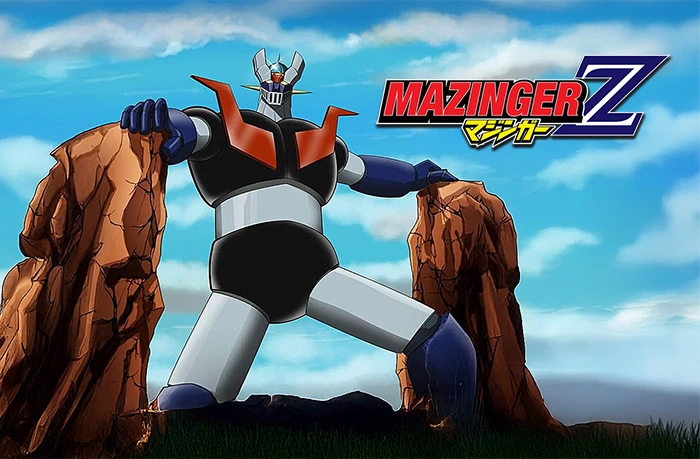
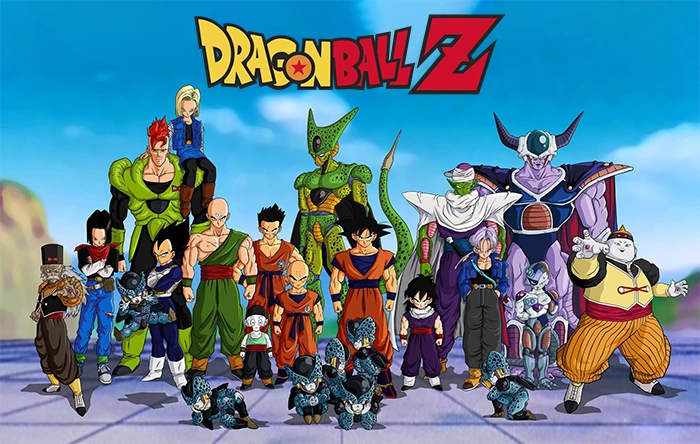
Radical diversification into demographics (Shonen, Shojo, Seinen, Josei). Massive global hits defining action and mecha manga (Mazinger Z, Dragon Ball). Birth of the industrial synergy between Manga and Anime. |
| 21st C. – Present | Globalization & Digital Era |
Record-breaking global sales phenomena (One Piece), transition to digital formats (Webtoons / mobile reading), and complete integration into global pop culture (video games, cinema, and merchandise). |
2. The Architects of Manga: Great Masters and Innovators
The history of Japanese sequential art has been shaped by visionaries who revolutionized visual storytelling, challenged conventions, and created visual archetypes adopted worldwide.
Osamu Tezuka (1928–1989)
-
Honorific Title: Manga no Kami-sama (The God of Manga).
-
Stylistic Innovation: Introduced cinematic language to the printed page, prioritizing varied camera angles, high and low angles, and dynamic action sequences over traditional static layouts. Popularized the iconic aesthetic of large, expressive eyes, inspired by Western animations from Disney and Fleischer Studios.
-
Key Works: Astro Boy (Tetsuwan Atom), Black Jack, Kimba the White Lion, Phoenix.
Shotaro Ishinomori (1938–1998)
-
Honorific Title: The Father of Masked Heroes (Tokusatsu Pioneer).
-
Stylistic Innovation: Holds the Guinness World Record for the most prolific author in comic history (over 128,000 drawn pages). Laid the narrative foundations for the Henshin Hero genre (transforming heroes) and team dynamics featuring complementary powers.
-
Key Works: Cyborg 009, Kamen Rider, Himitsu Sentai Gorenger (the origin of the Super Sentai franchise).
Go Nagai (1945–Present)
-
Honorific Title: Pioneer of Mecha and Transgressive Storytelling.
-
Stylistic Innovation: Invented the Super Robot subgenre by placing the pilot inside the head of a giant robot (Mazinger Z). Tore down contemporary censorship by incorporating dark fantasy, visceral graphic violence, and sociopolitical eroticism into mainstream commercial manga.
-
Key Works: Mazinger Z, Devilman, Cutie Honey, Violence Jack.
Hayao Miyazaki (1941–Present)
-
Honorific Title: Master of Visual Storytelling and Co-founder of Studio Ghibli.
-
Stylistic Innovation: Although internationally renowned as a film director, his hand-drawn artwork and watercolor manga technique laid the foundation for modern artisanal animation. His style is distinguished by meticulous attention to retro-futuristic mechanics, ecological naturalism, and deeply resilient protagonists.
-
Key Works: Nausicaä of the Valley of the Wind (Manga and Film), Spirited Away, Princess Mononoke.
Akira Toriyama (1955–2024)
-
Honorific Title: Architect of Modern Shonen.
-
Stylistic Innovation: Internationally acclaimed for his impeccable line art clarity, flawless spatial awareness in combat sequences, and instantly recognizable character and vehicle designs. Toriyama redefined martial arts and adventure manga with epic power transformations and fluid choreography.
-
Key Works: Dragon Ball, Dr. Slump, Character design for the Dragon Quest video game franchise.
Satoshi Kon (1963–2010)
-
Honorific Title: Visionary of Reality and Visual Psychology.
-
Stylistic Innovation: Trained under Katsuhiro Otomo (Akira), Kon mastered meta-cinematic narrative and fluid transitions between reality, dreams, and hallucinations. His art style is distinguished by detailed anatomical realism, dense urban environments, and editing techniques that directly influenced filmmakers worldwide.
-
Key Works: Perfect Blue, Paprika, Millennium Actress, Tokyo Godfathers, Opus (Manga).
Eiichiro Oda (1975–Present)
-
Honorific Title: King of Worldbuilding.
-
Stylistic Innovation: Creator of the best-selling manga series of all time (One Piece). His style blends eccentric character design, whimsical expressions, and detail-packed panels with epic-scale storytelling focused on perseverance, freedom, and camaraderie.
-
Key Works: One Piece (Guinness World Record for the most copies published for the same comic book series by a single author).
3. Comparative Table of Authors and Industry Impact
| Author | Specialty / Primary Contribution | Iconic Work | Impact on the Medium |
|---|---|---|---|
| Cinematic Language | Astro Boy | Father of modern manga and anime; standardized visual storytelling. | |
| Superheroes & Tokusatsu | Kamen Rider | Creator of the transforming hero genre; set production volume records. | |
| Mecha & Dark Fantasy | Mazinger Z | Invented the piloted giant robot concept; broke narrative taboos. | |
| Auteur Animation / Ecology | Spirited Away | Elevated Japanese animation to global cinematic masterpiece status. | |
| Action Shonen | Dragon Ball | Globalized manga and inspired an entire generation of mangaka. | |
| Psychological Thriller | Perfect Blue | Master of match-cut editing and psychological exploration. | |
| Epic Storytelling & Worldbuilding | One Piece | Historical leader in global sales with an interconnected narrative universe. |
Learn to draw manga step by step.
How to draw a manga or anime face step by step in an easy and quick way. This tutorial is especially recommended for beginners.