



Looney Tunes
The History of Looney Tunes: The Animated Classic from Warner Bros.
Since its creation in the 1930s, the Looney Tunes cartoons became a benchmark for humor, creativity, and animation. With characters like Bugs Bunny, Daffy Duck, Porky Pig, and many more, Warner Bros. conquered the world with its unique style, fast-paced humor, and its unmistakable audio hallmarks: ‘What’s up, doc?’ and ‘That’s all, folks!’
On this page, we will explore the history of Looney Tunes, its characters, creators, fun facts, and the legacy that these cartoons have left behind in popular culture.

YOUTUBE VIDEO ON THE HISTORY OF LOONEY TUNES: The History of Looney Tunes | Bugs Bunny, Daffy Duck… And the Animation Revolution
Since the 1930s, Looney Tunes has been synonymous with humor, creativity, and unforgettable characters. In this video, we explore its history—from its creation at Warner Bros. and the rivalry with Disney, to its impact on animation and popular culture. Discover how Bugs Bunny, Daffy Duck, Porky Pig, Wile E. Coyote, and the Road Runner revolutionized cartoons. We will talk about its creators, legendary animators like Tex Avery and Chuck Jones, the importance of Merrie Melodies, the closing of the studio, and its grand comeback. Join us on this journey through the history of Looney Tunes! And don’t forget to subscribe to our YouTube channel, which you can visit here.
🎬 These are the contents of Looney Tunes
- YOUTUBE VIDEO ON THE HISTORY OF LOONEY TUNES: The History of Looney Tunes | Bugs Bunny, Daffy Duck… And the Animation Revolution
- The Birth of Looney Tunes Cartoons: Origins and Early Shorts
- The Golden Age: The Great Creators and Characters of Looney Tunes
- Looney Tunes Designs from the 1930s
- Competition with Disney: The Looney Tunes Style
- The Studio’s Closure and Its Comeback
- Looney Tunes Fun Facts
- The Voices of Looney Tunes Cartoons
- The Legacy of Looney Tunes
The Birth of Looney Tunes Cartoons: Origins and Early Shorts
Looney Tunes cartoons were born in 1930 as Warner Bros.’ answer to Disney’s animated series ‘Silly Symphonies.’
In the early 1930s, animation was dominated by Walt Disney with his highly successful Mickey Mouse. In 1930, Warner Bros. decided to enter the animation world and commissioned Leon Schlesinger to create a series of musical shorts inspired by Disney’s Silly Symphonies cartoon series. Thus, Looney Tunes and its sister series, Merrie Melodies, were born.
Producer Leon Schlesinger spearheaded the project, and in 1930, the first short was released: ‘Sinkin’ in the Bathtub,’ starring Bosko, a character inspired by the early figures of sound animation.
Differences Between Merrie Melodies and Looney Tunes
Although many people confuse them, Looney Tunes and Merrie Melodies are not exactly the same thing. Both were created by Warner Bros. in the early 1930s, but they served different purposes.
While Merrie Melodies usually featured standalone stories, Looney Tunes focused more on recurring characters.
Looney Tunes focused on recurring characters like Bugs Bunny, Daffy Duck, and Porky Pig, while Merrie Melodies was born as a series of standalone musical shorts, featuring unique stories and characters in each episode.
Over time, the differences faded away, and both series ended up sharing characters and style. However, originally, Merrie Melodies served to promote Warner Bros. songs, whereas Looney Tunes developed animated stars that would become cinema and television icons like Bugs Bunny, Daffy Duck, Porky Pig, and more.
Sinkin’ in the Bathtub, the First Looney Tunes Cartoon Short
The first Looney Tunes short was Sinkin’ in the Bathtub in 1930, starring Bosko, a character inspired by the early cartoons of the sound film era. Although Bosko didn’t last long, it was the starting point for something much bigger.
Bosko was created by Hugh Harman and Rudolf Ising, animators who had already worked with Walt Disney on the character of Oswald the Lucky Rabbit.
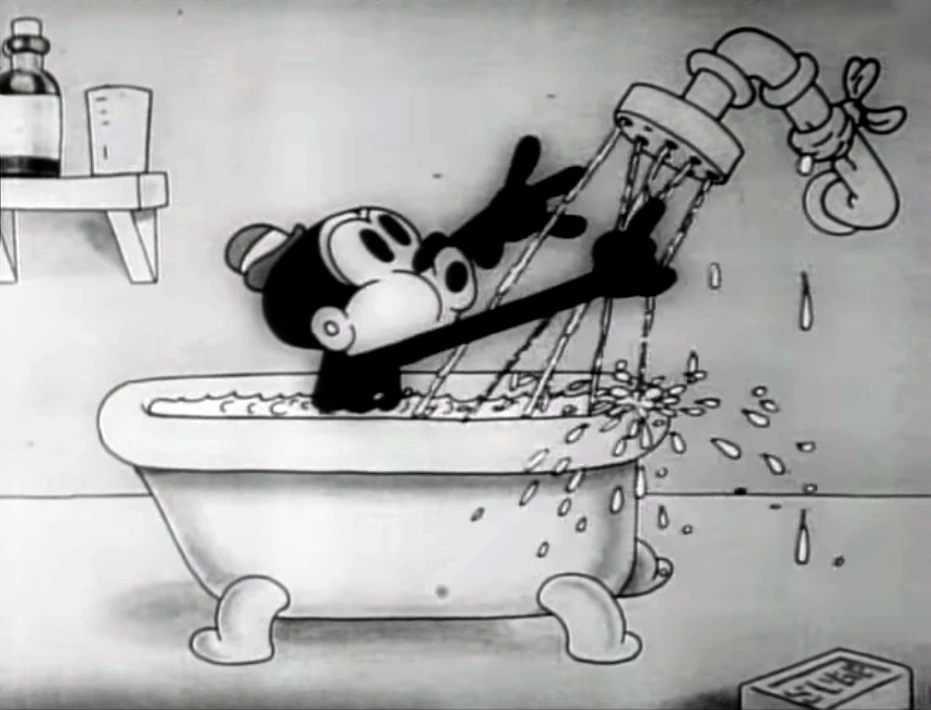
Sinkin’ in the Bathtub, the first Looney Tunes animated short
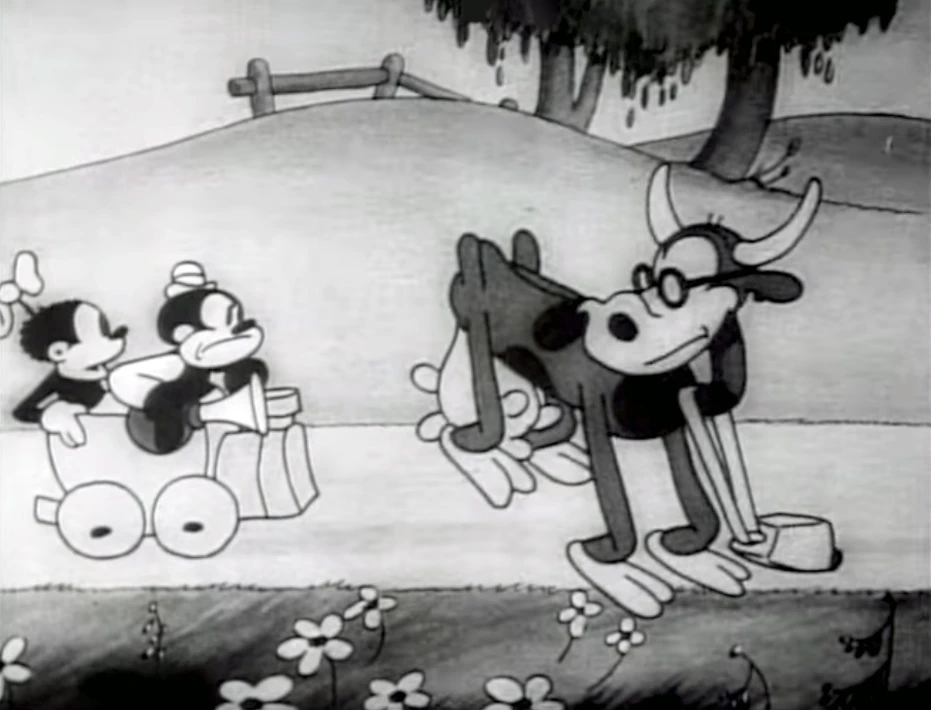
Still from Sinkin’ in the Bathtub, featuring Bosko, the first main character in Looney Tunes
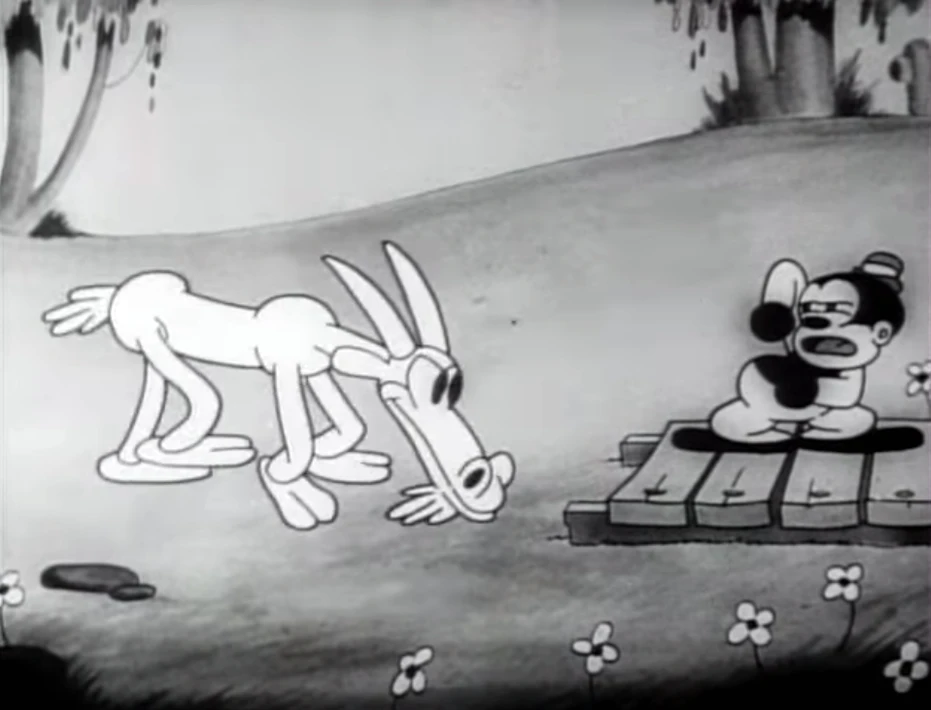
Bosko, the first main character in Looney Tunes
The Golden Age: The Great Creators and Characters of Looney Tunes
Tex Avery
In 1935, Warner Bros. hired Tex Avery, an animator who revolutionized the industry with his exaggerated style and irreverent sense of humor. With him, Looney Tunes began to set itself apart from Disney, opting for a faster pace, characters with stronger personalities, and a more adult sense of humor.
Tex Avery created, among others, Daffy Duck.
Between the 1940s and 1950s, Looney Tunes cartoons lived their golden age. During this time, legendary names such as Chuck Jones, Friz Freleng, Robert McKimson, and Bob Clampett brought to life some of the most iconic shorts in the history of animation.
Chuck Jones
The genius behind Wile E. Coyote and the Road Runner.
Friz Freleng
The soul of Porky Pig, Yosemite Sam, and Sylvester the Cat. Three-time Academy Award winner.
Bob Clampett
Responsible for the craziest version of Daffy Duck.
Bugs Bunny the Star of Looney Tunes
Bugs Bunny became the star of Warner Bros., with his clever personality and his famous catchphrase: ‘What’s up, doc?’. Meanwhile, Daffy Duck evolved from a zany duck into a more selfish and ambitious character, contrasting perfectly with Bugs.
During this era, unforgettable characters were born: Elmer Fudd, Sylvester and Tweety, Wile E. Coyote and the Road Runner, Speedy Gonzales, and Marvin the Martian, among many others. Each had their own style and starred in shorts that, to this day, remain classics.
Image Gallery of Looney Tunes Characters for Free Download
Porky Pig
One of the first characters to establish the Looney Tunes cartoon style was Porky Pig, who debuted in ‘I Haven’t Got a Hat’ (1935). Soon, other iconic characters began to appear successively, such as Daffy Duck in 1937 and Bugs Bunny, the lucky rabbit, in 1940.
Porky Pig was Warner Bros.’ first star character, and he was the one who first said the catchphrase ‘That’s all, folks!’ at the end of each episode.
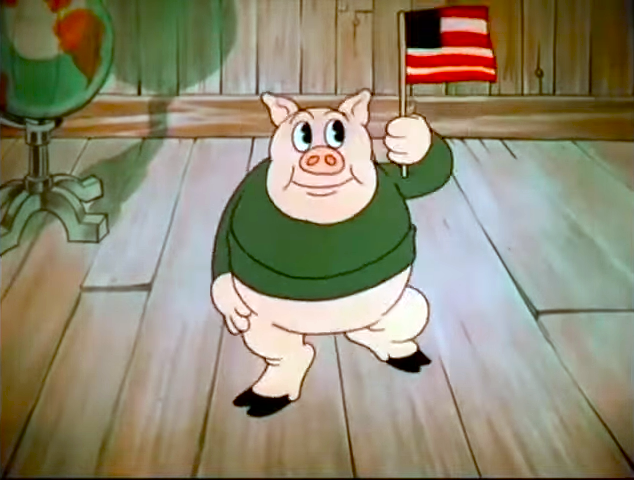
Porky Pig’s first appearance was in the Looney Tunes short, Haven’t Got a Hat, from 1935.
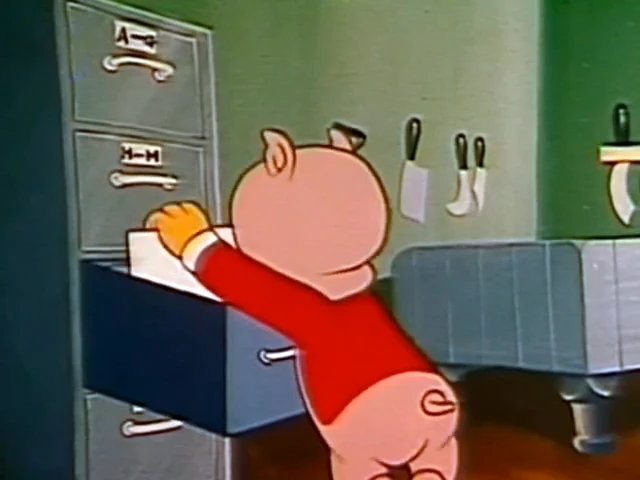
Porky’s Cafe, 1942
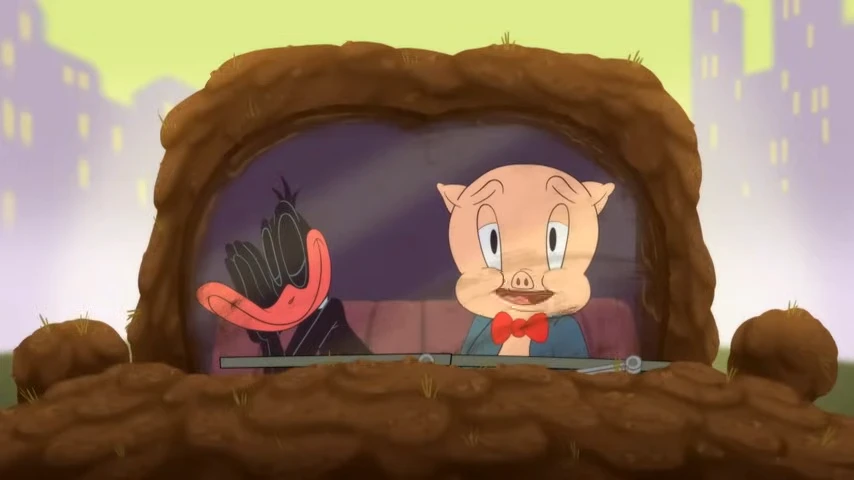
Looney Tunes, car wash.
Marvin the Martian
Marvin the Martian made his first appearance in nineteen forty-eight as Bugs Bunny’s antagonist in the episode ‘Haredevil Hare,’ directed by Chuck Jones. Marvin is on a mission to destroy Earth with his Illudium Q-36 Explosive Space Modulator.
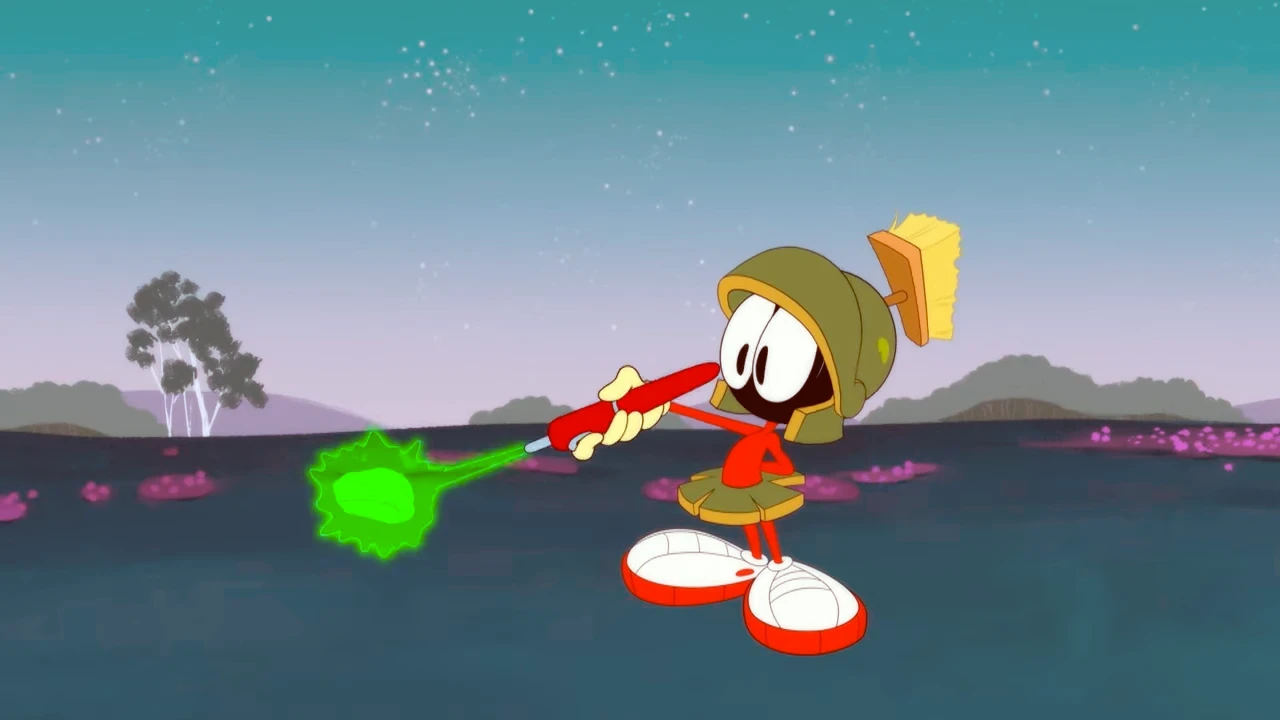
Marvin the Martian, Looney Tunes character, image 1.
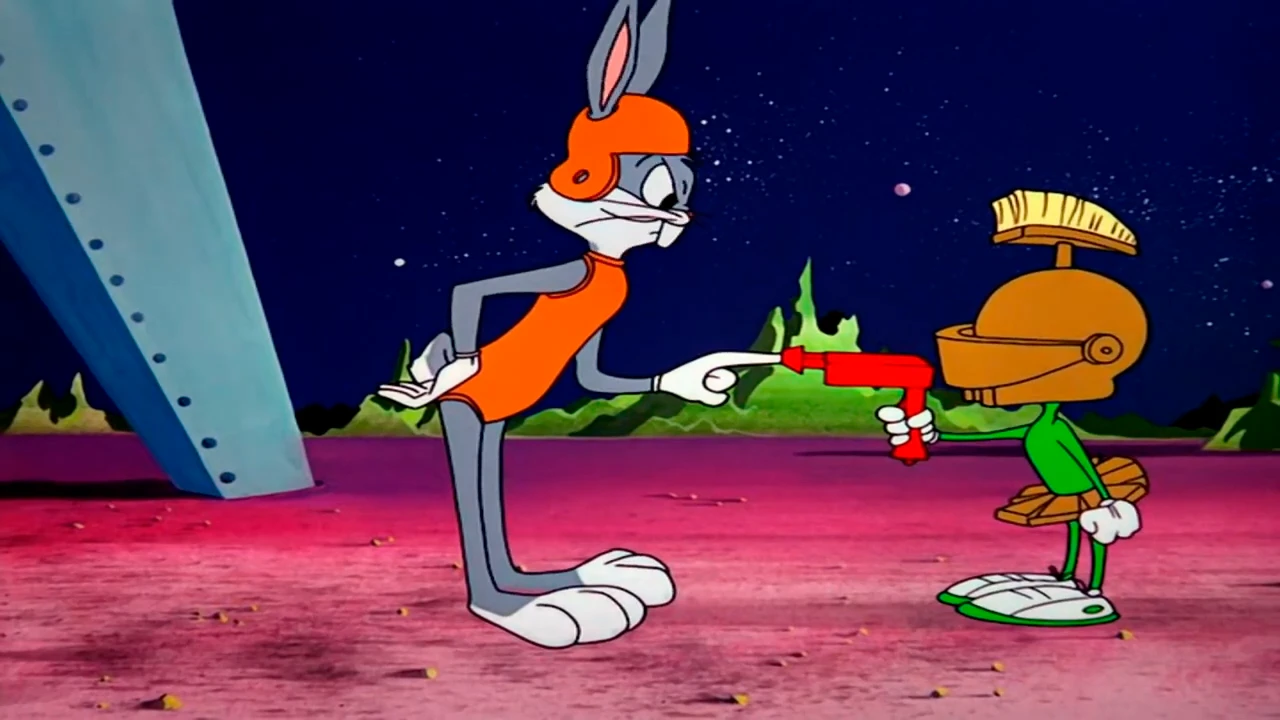
Marvin the Martian, Looney Tunes character, image 2.
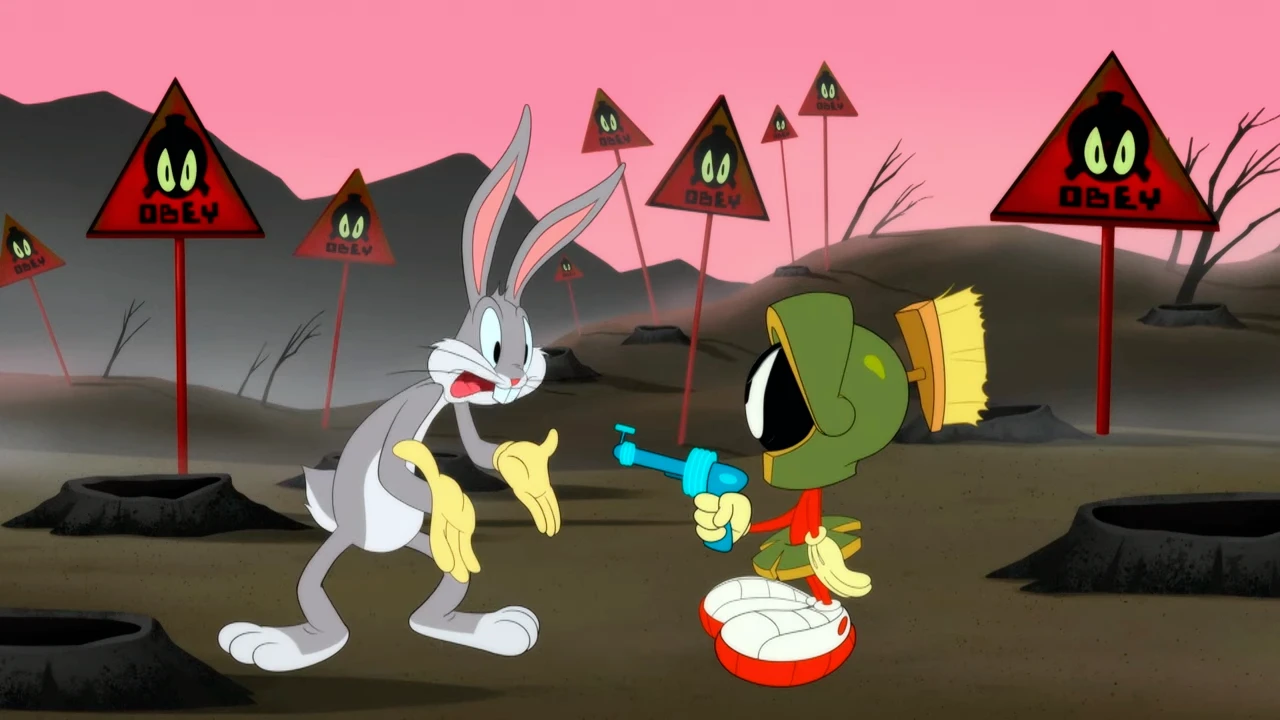
Marvin the Martian, Looney Tunes character, image 3.
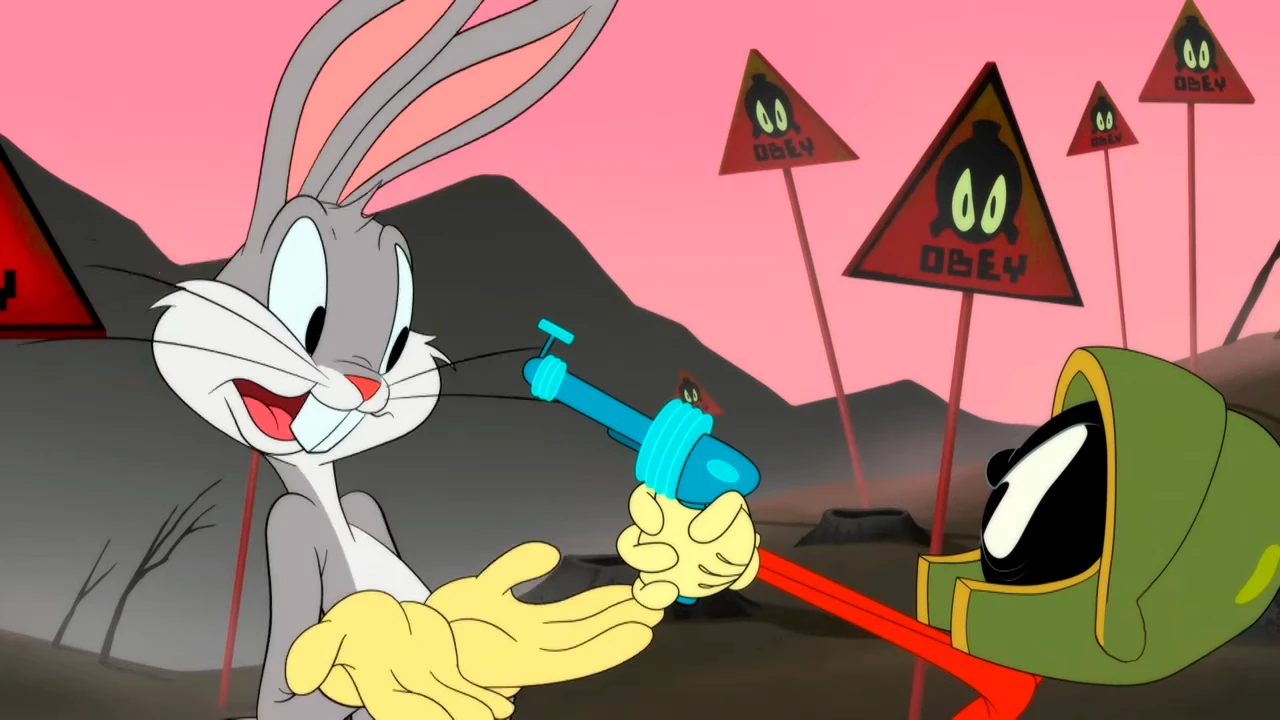
Marvin the Martian, Looney Tunes character, image 4.

Marvin the Martian, Looney Tunes character, image 5.
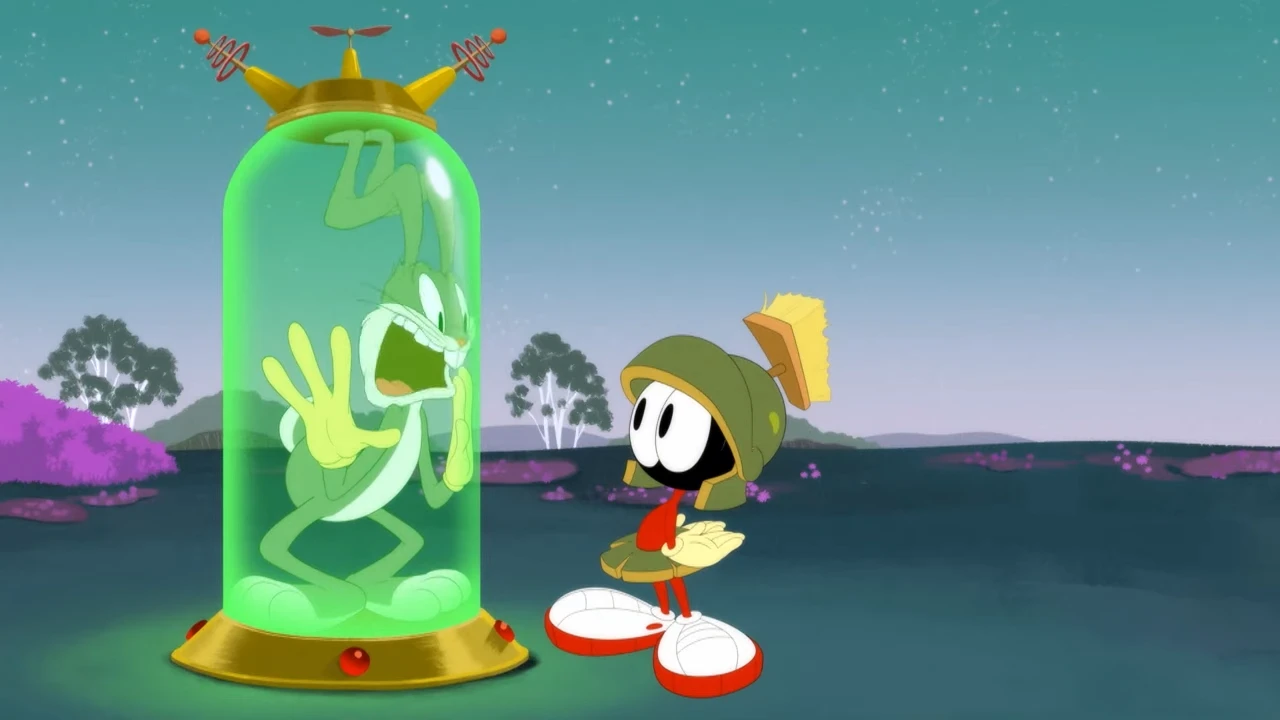
Marvin the Martian, Looney Tunes character, image 6.
Sylvester the Cat and Tweety
The yellow canary Tweety is a character created by Bob Clampett who first appeared on screen in nineteen forty-two. Tweety’s typical expression, ‘I tawt I taw a puddy tat,’ comes from a phrase that Clampett had used in a letter to a friend years prior.
Sylvester the Cat is a character created by Friz Freleng. Sylvester debuted in the cartoon ‘Life with Feathers,’ directed by Friz Freleng. ‘Tweetie Pie’ was Sylvester’s first appearance with Tweety. Sylvester appeared in 103 cartoons from the golden age of animation. He also appeared frequently in , and cartoons. Three of his cartoons won Academy Awards.
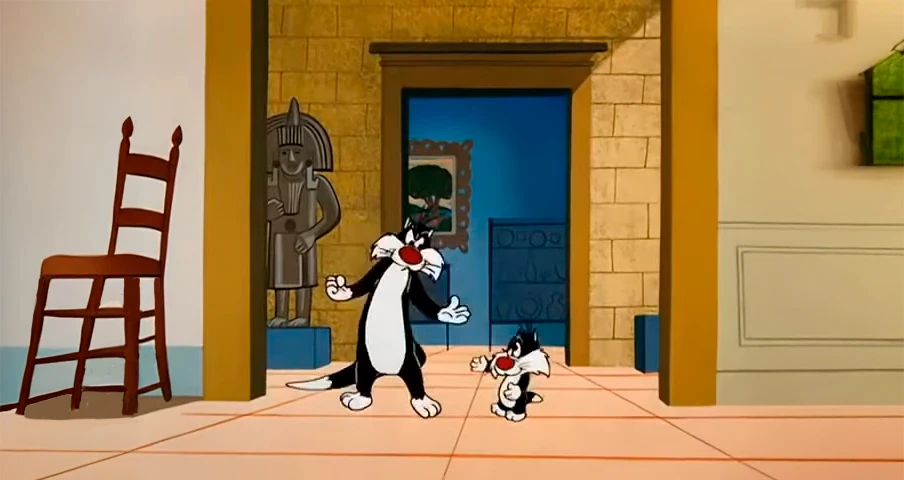
Hunting mice, Sylvester the cat and Sylvester Junior.
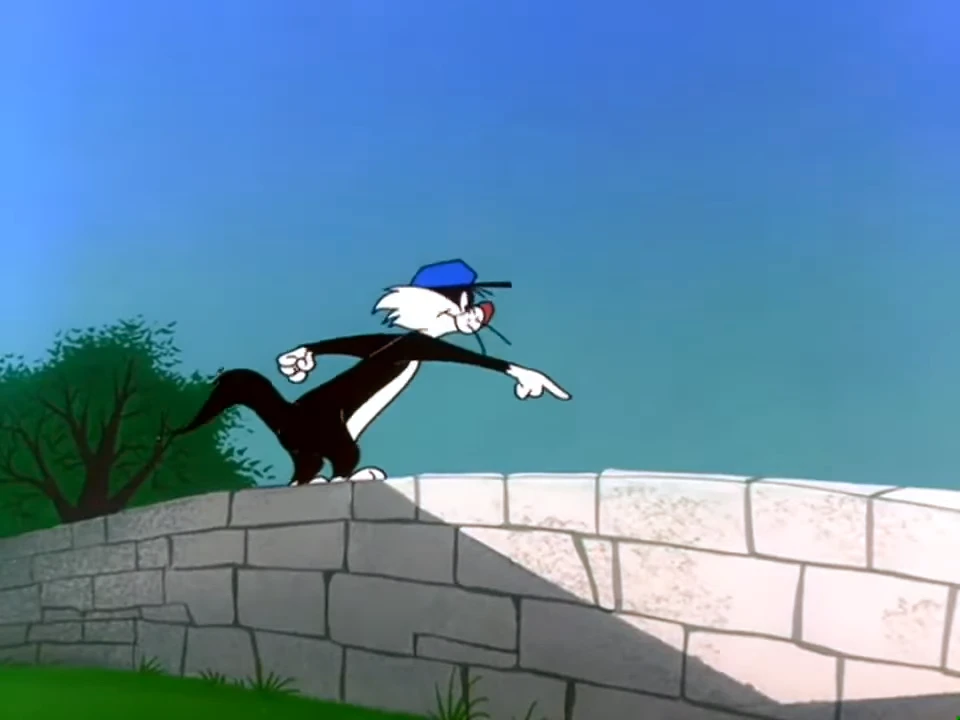
Sylvester the Cat, rebel without a claw.

Sylvester the Cat and Tweety, rebel without a claw.

Tweety
Speedy Gonzales
Speedy Gonzales, ‘The Fastest Mouse in all Mexico,’ debuted in the 1953 short film ‘Cat-Tails for Two,’ directed by Robert McKimson.
Two years later, and animator redesigned the character to achieve his current appearance, with a white outfit, a red neckerchief, and his yellow sombrero. The new version debuted in ‘ ‘ (1955). This short features , who was picking on some mice. The animation won the in , and it was also his famous catchphrase ‘ ‘
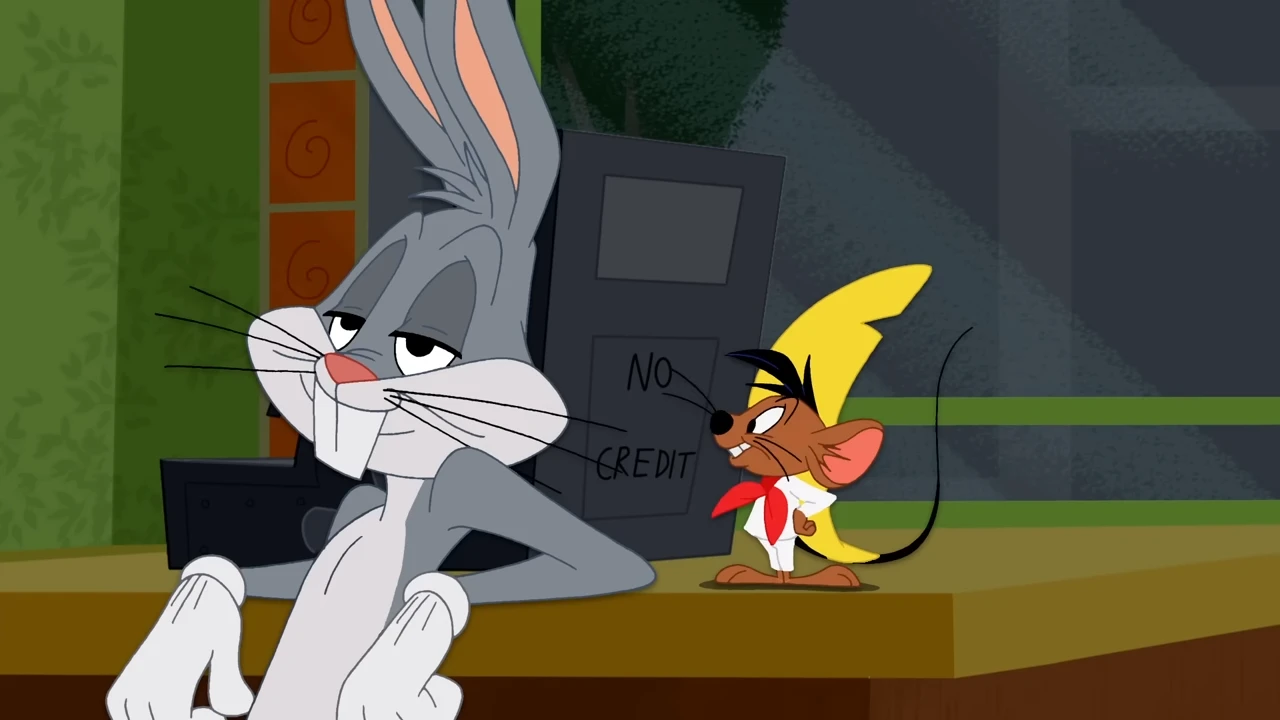
Speedy Gonzales with Bugs Bunny.
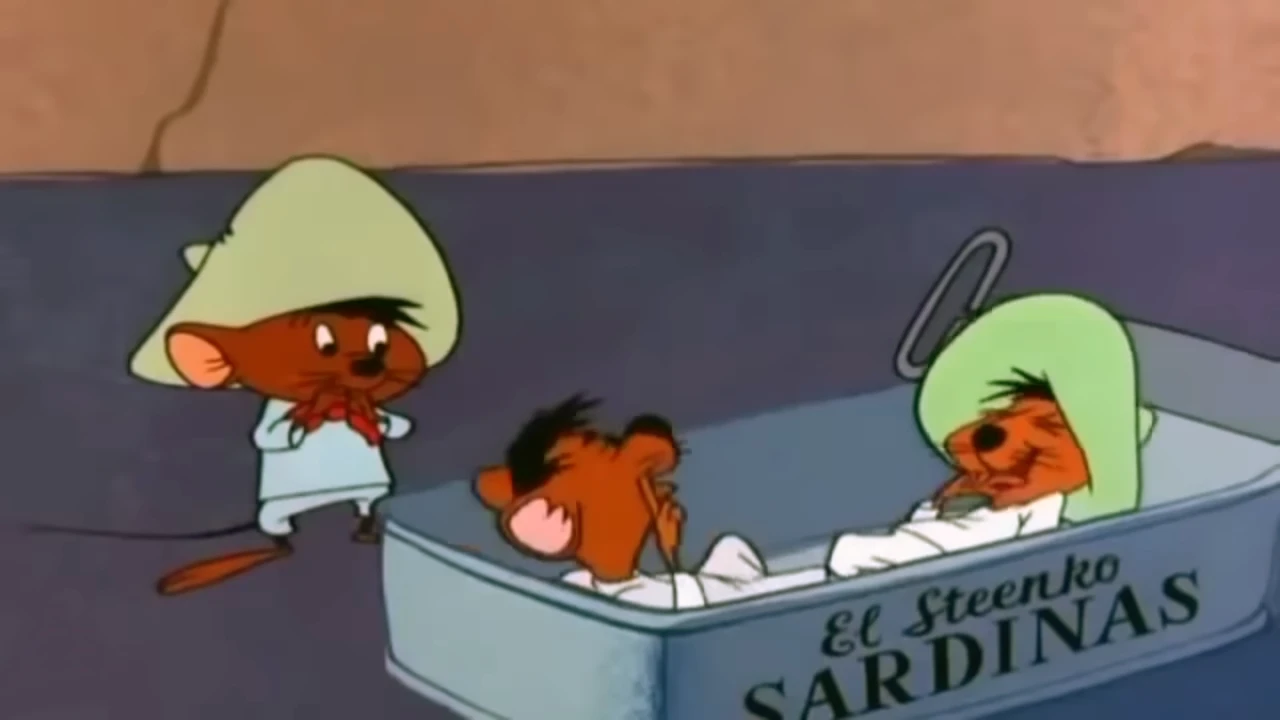
Speedy Gonzales, with his Mexican mouse friends.
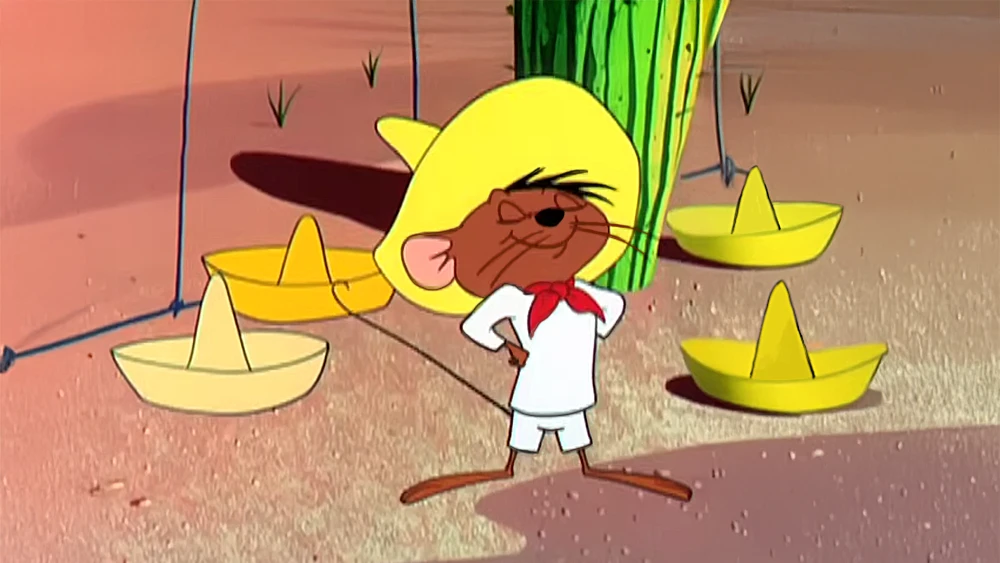
Speedy Gonzales, the fastest mouse in all Mexico.
Foghorn Leghorn
Foghorn Leghorn appears in many ‘Looney Tunes’ and ‘Merrie Melodies’ cartoons. This rooster, of a chicken breed originating from the Tuscany region in Italy, starred in 28 animated shorts between 1946 and 1956 and was created by Robert McKimson and Warren Foster.
In many cartoons, Foghorn appears with his canine enemy, known as ‘The Barnyard Dawg,’ although in the early cartoons he is called George P. Dog.
In the original version, Foghorn Leghorn’s voice was provided by actor Mel Blanc, who voiced numerous characters. In Spanish, Foghorn Leghorn was dubbed by Arturo Mercado, who also dubbed many animated characters, and George the Dog was dubbed by Jorge Arvizu.
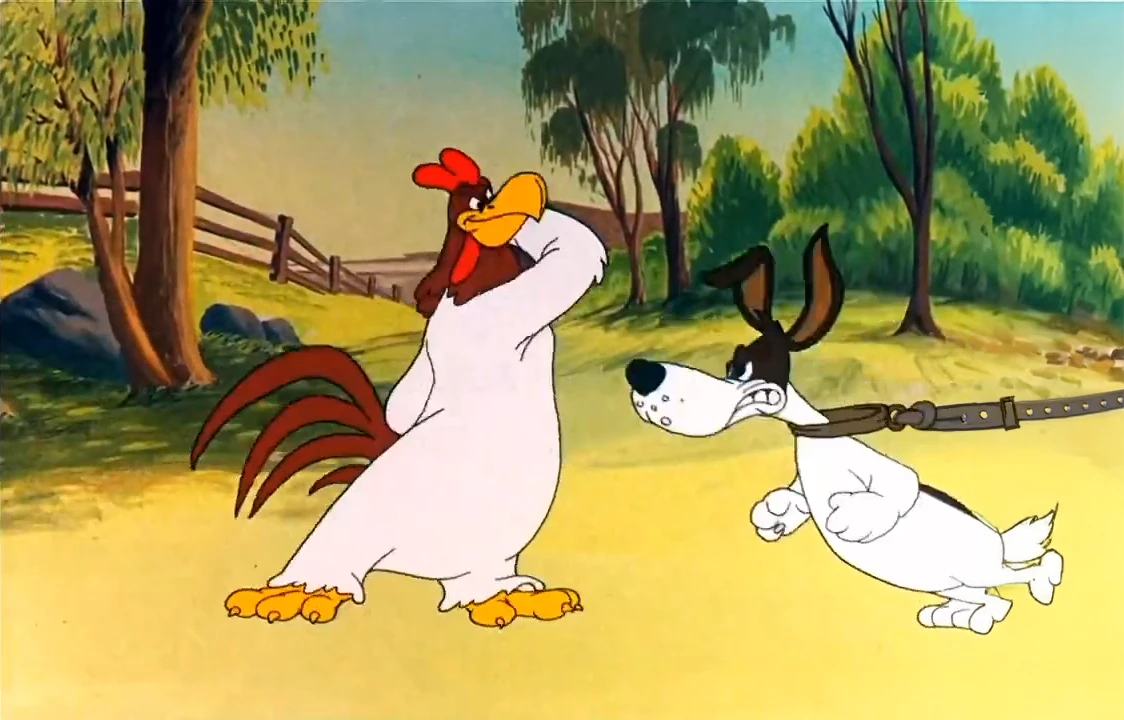
Foghorn Leghorn, shut up, quadruped.
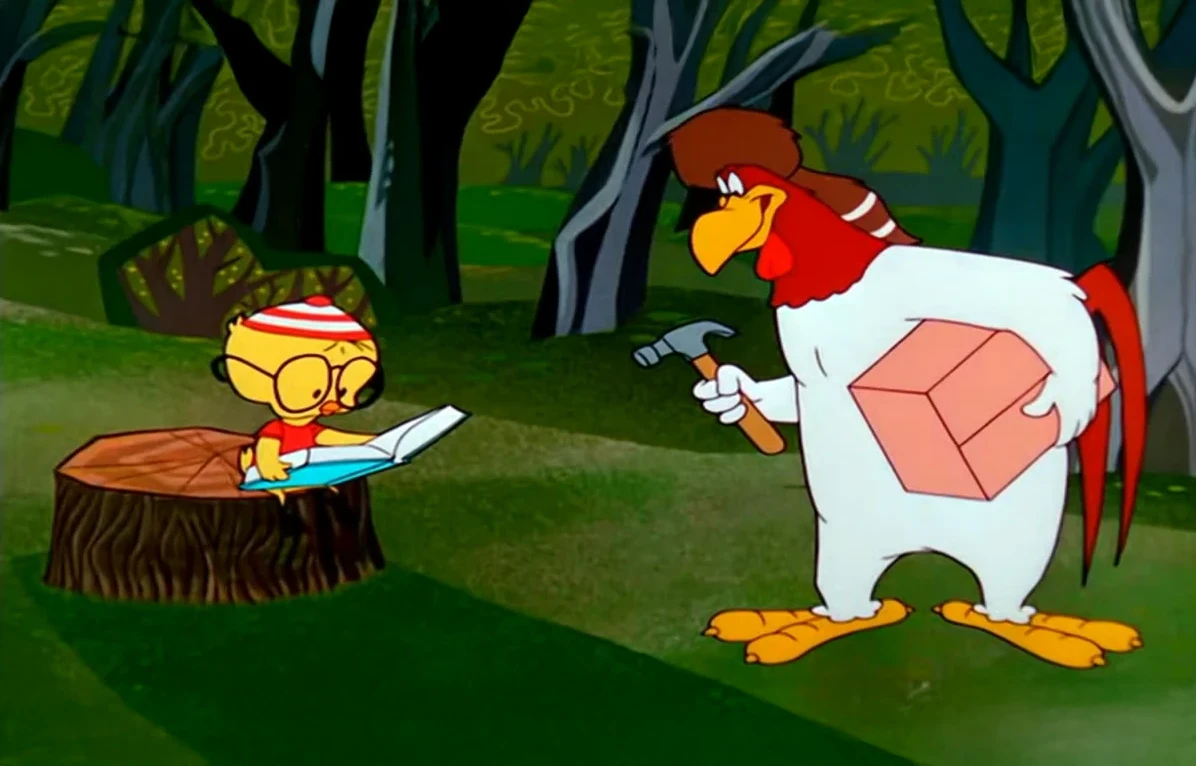
Foghorn Leghorn, expert trapper, Looney Tunes animated short.
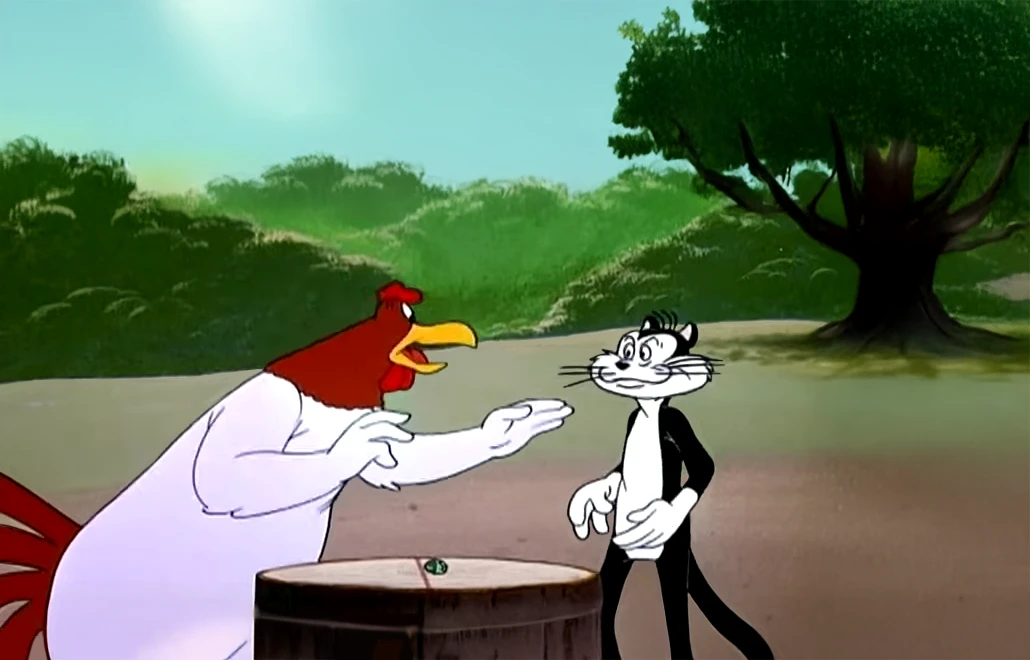
Original version of Foghorn Leghorn
Yosemite Sam
Another Looney Tunes character is Yosemite Sam, a grumpy gunfighter and an enemy of Bugs Bunny and Daffy Duck. He was created by animator Friz Freleng in 1945 for the short ‘Hare Trigger.’
Freleng created Sam so that Bugs Bunny would have a more worthy adversary. Until then, the rabbit’s main enemy had been Elmer Fudd, a man so well-mannered and dim-witted that it made Freleng feel like Bugs was picking on him when they interacted.
On the contrary, Yosemite Sam is extremely violent and belligerent, not a pushover like Elmer Fudd at all. Freleng packed into a small body and a huge cowboy hat the loudest voice and the biggest ego north, south, east, and west of the Pecos River.
Sam starred in his own comic book series from 1970 to 1984, with a total of 81 issues. Published by Gold Key / Whitman Comics, the official title of the series was Yosemite Sam & Bugs Bunny.
The character’s original voice was created by Mel Blanc, and he is currently voiced by Maurice LaMarche and Jeff Bennett. In Latin America, Yosemite Sam’s Spanish voice was originally dubbed by José María Iglesias, then by Antonio Passy, after that by Pancho Mueller, later by Esteban Siller, and currently by César Soto.
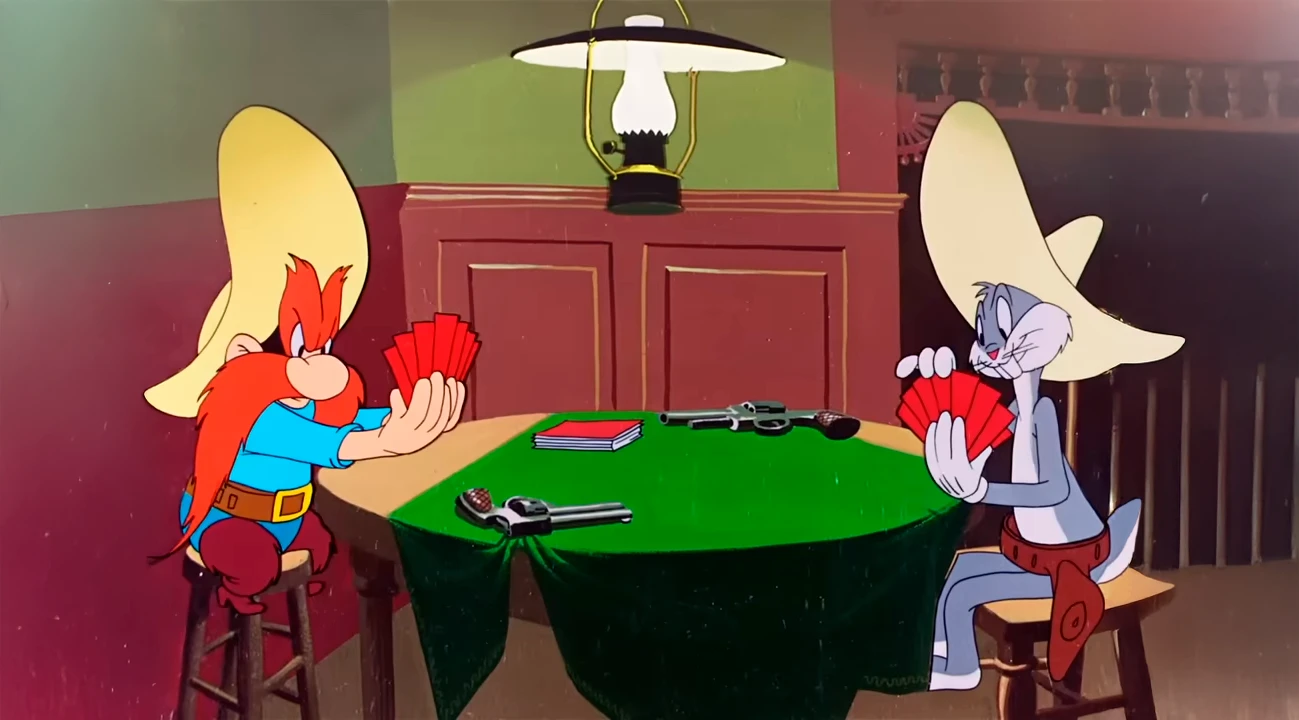
Yosemite Sam with Bugs Bunny
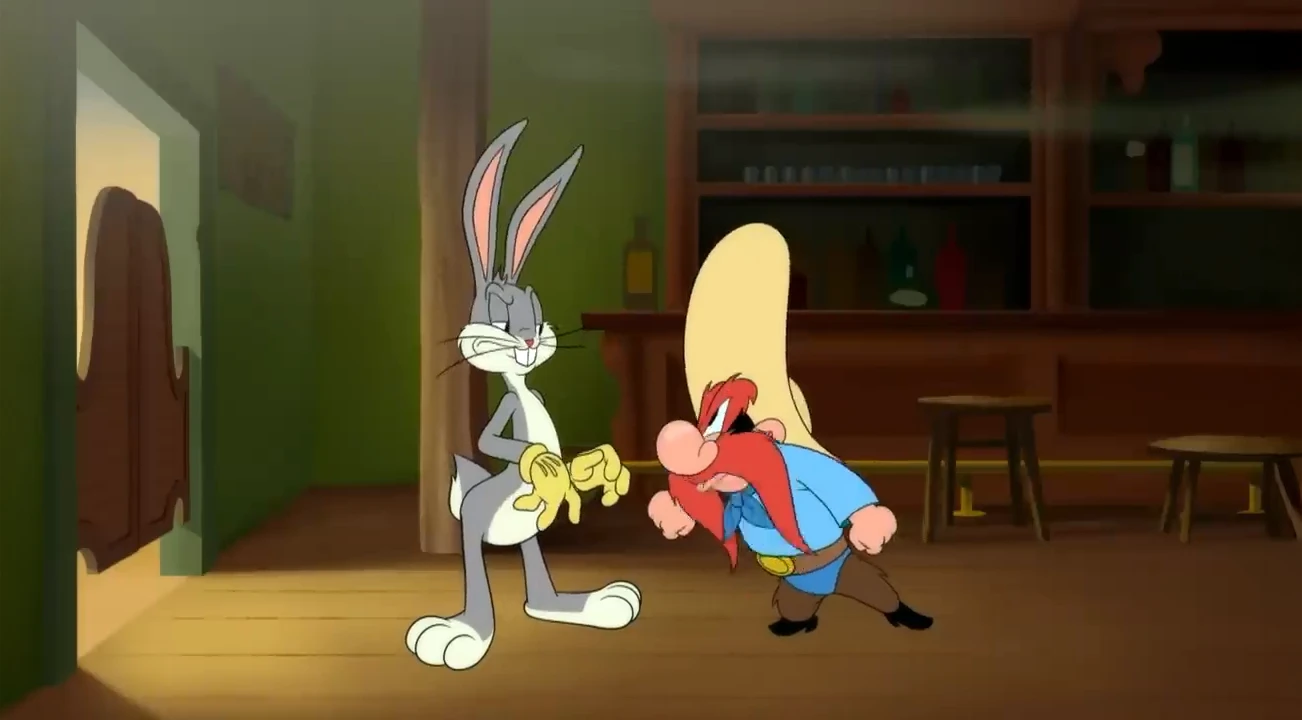
Yosemite Sam was created by Friz Freleng in 1945
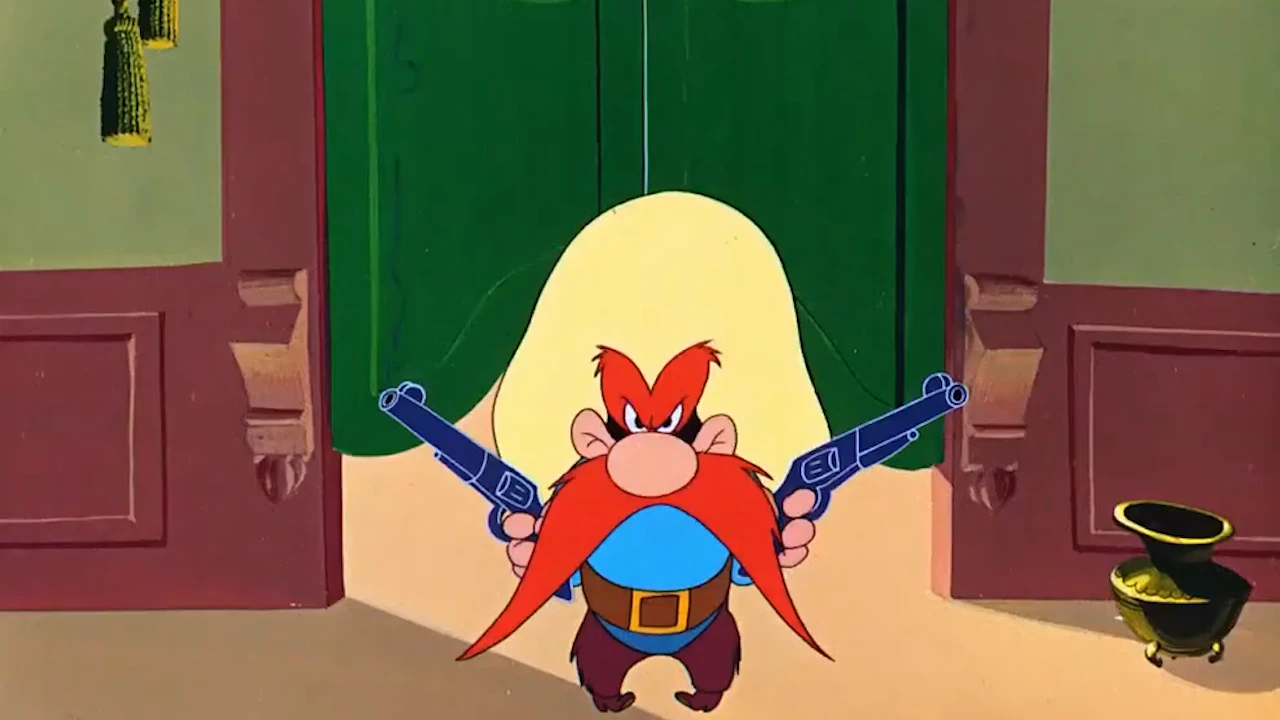
Sam Bigotes, the grumpy gunslinger
Taz, the Tasmanian Devil
Taz, the Tasmanian Devil, was created by Robert McKimson and made his debut in 1954 in the short ‘Devil May Hare.’ He appeared only five times before the Warner Bros. animation studio’s first closure. Later, in the 1990s, he achieved immense popularity on television, in video games, and through merchandise.
Today, Taz is one of the most recognizable characters in the Looney Tunes universe.
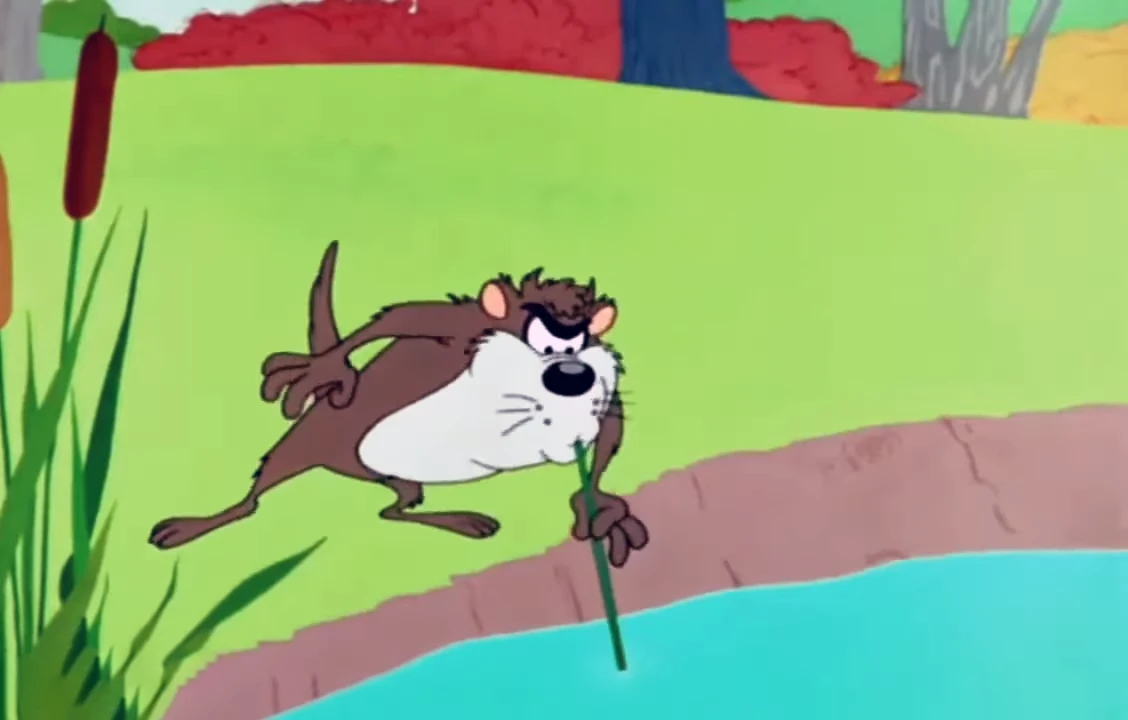
Looney Tunes, Taz the Tasmanian Devil, dancing with the devil, year 1957.

Taz the Tasmanian Devil
Wile E. Coyote and the Road Runner
The cartoon characters Wile E. Coyote and the Road Runner were created in 1949 by animator Chuck Jones for Warner Bros. Chuck Jones was inspired to create these characters by a book by Mark Twain titled ‘Roughing It,’ in which Twain noted that hungry coyotes would hunt a roadrunner.
Few rivalrivalries in the history of animation are as iconic as that of the Coyote and the Road Runner; this duo has given us some of the most ingenious and funniest chases in Looney Tunes.
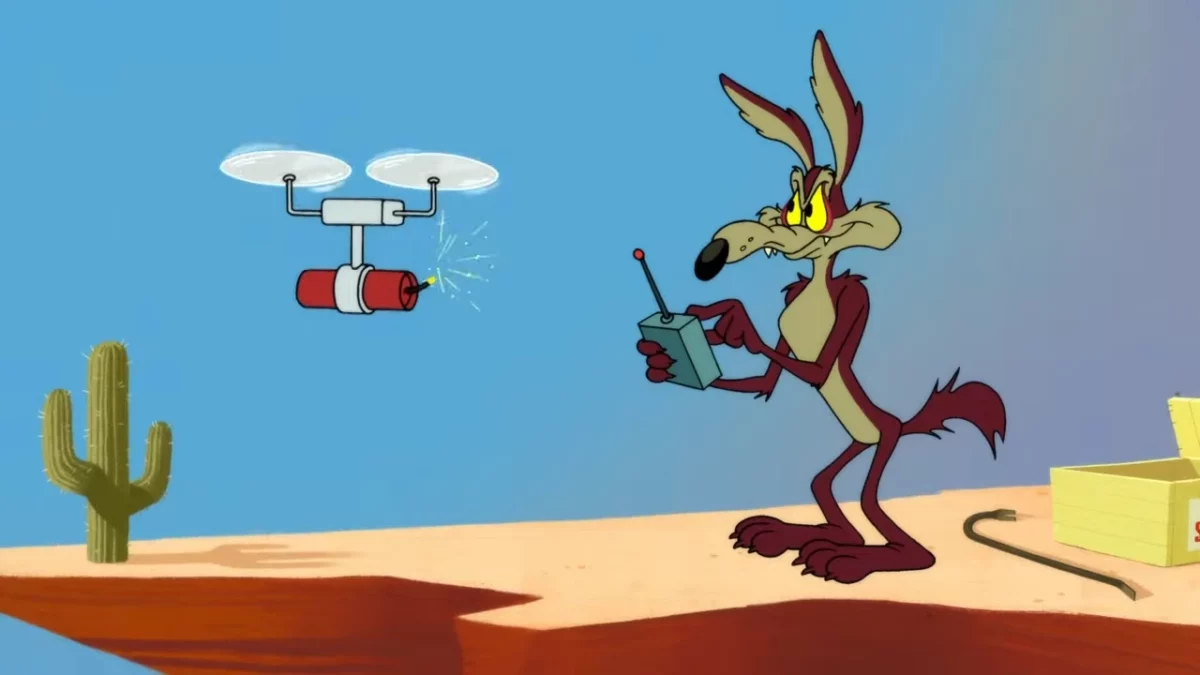
The Coyote, always hungry and obsessed with catching the elusive Road Runner, resorts to the most extravagant inventions from the ACME brand, but fate (…and the law of gravity) is never on his side. Meanwhile, the Road Runner simply sticks to running, leaving behind his unmistakable ‘Beep, beep!’ and a cloud of dust.
With comedy based on exaggeration, perfect timing, and the absence of dialogue, these shorts have been a benchmark for visual humor in animation. Despite all his failed attempts, the Coyote never gives up… and that is part of his charm.
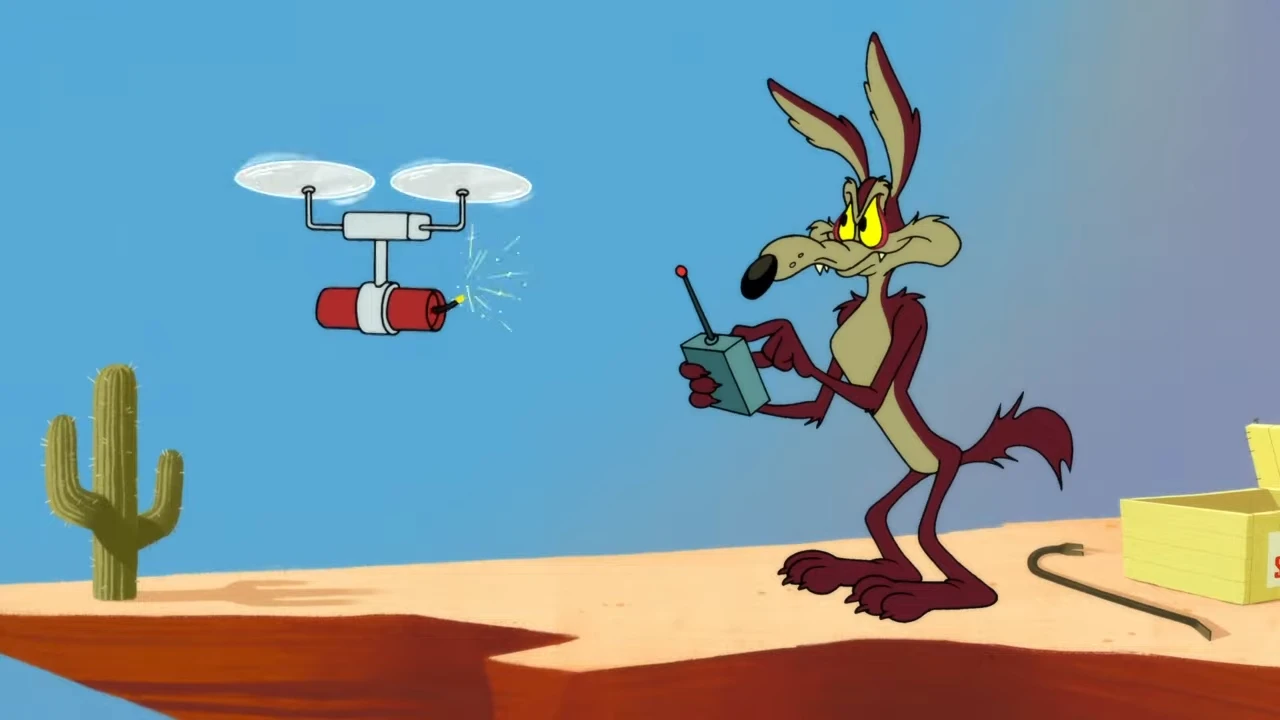
Looney Tunes, poor coyote.
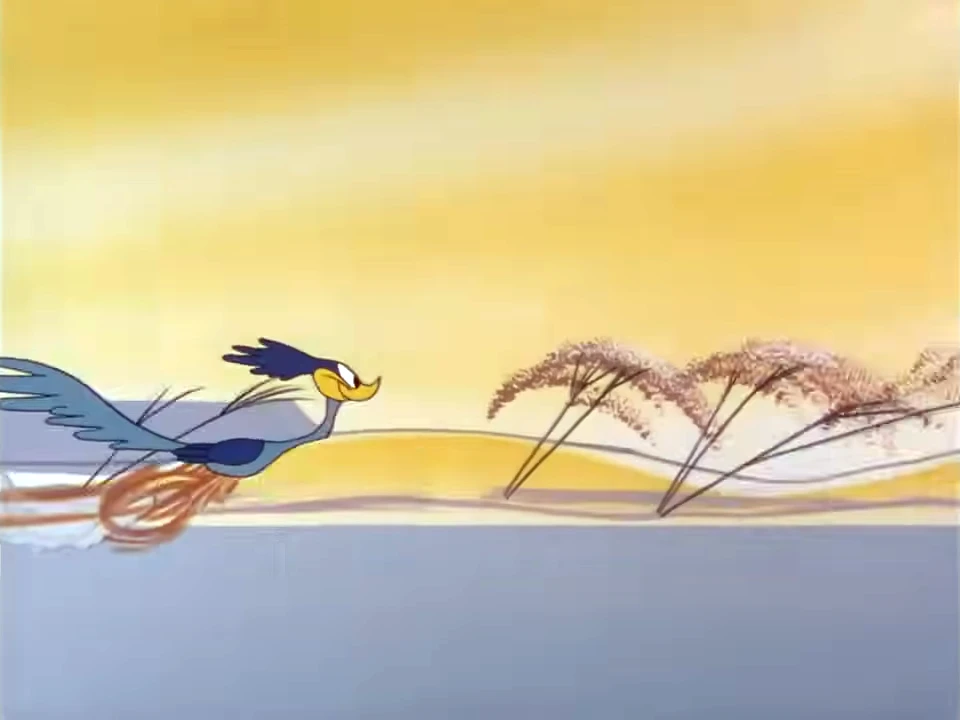
The Roadrunner
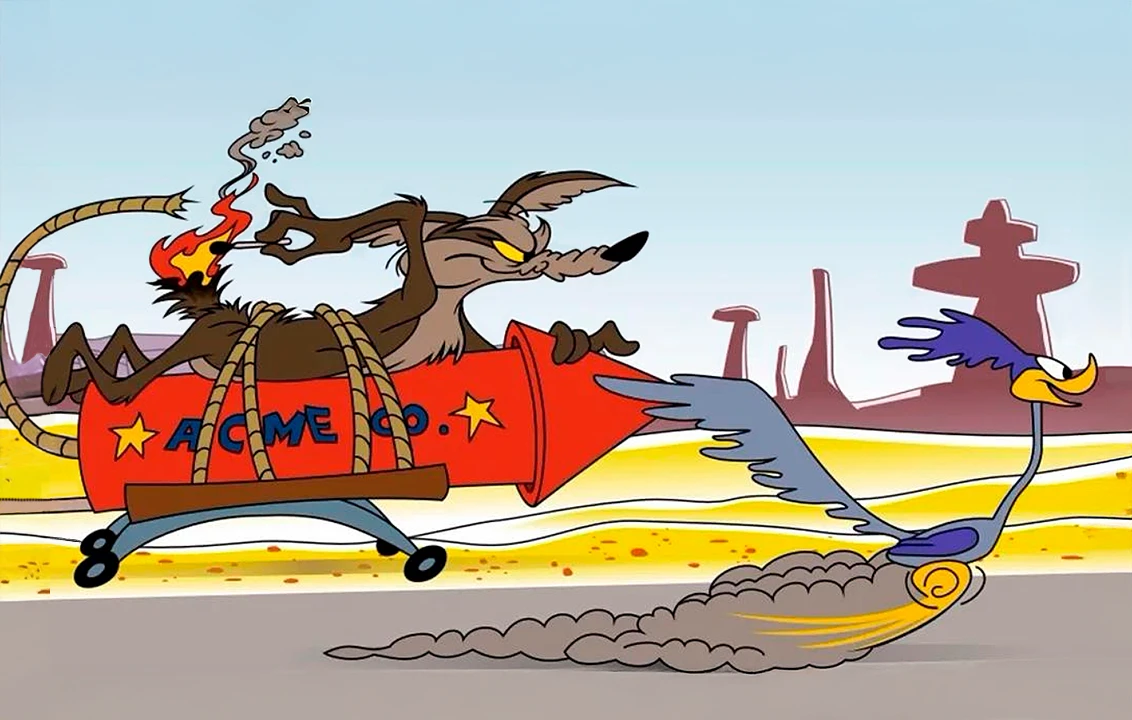
Wile E. Coyote and the Road Runner, created by Chuck Jones in 1949
Looney Tunes Designs from the 1930s
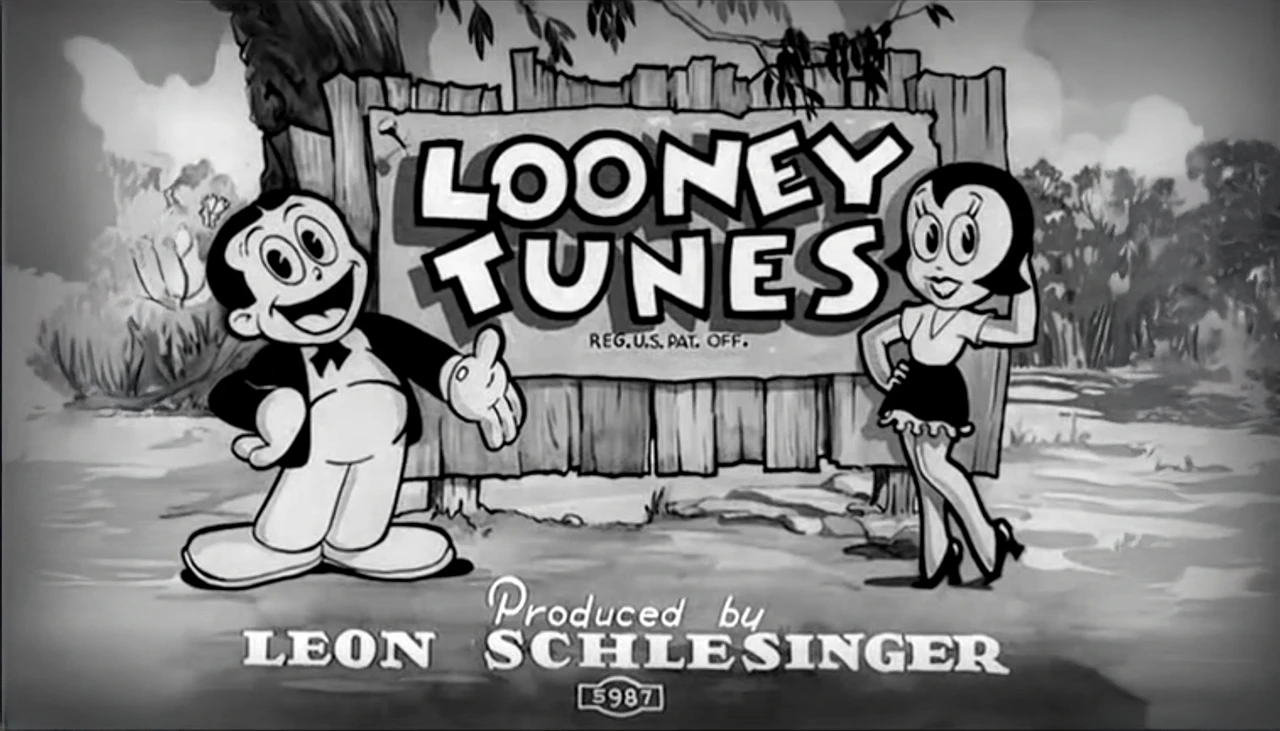
Looney Tunes 1930s Animated Short Opening Credits
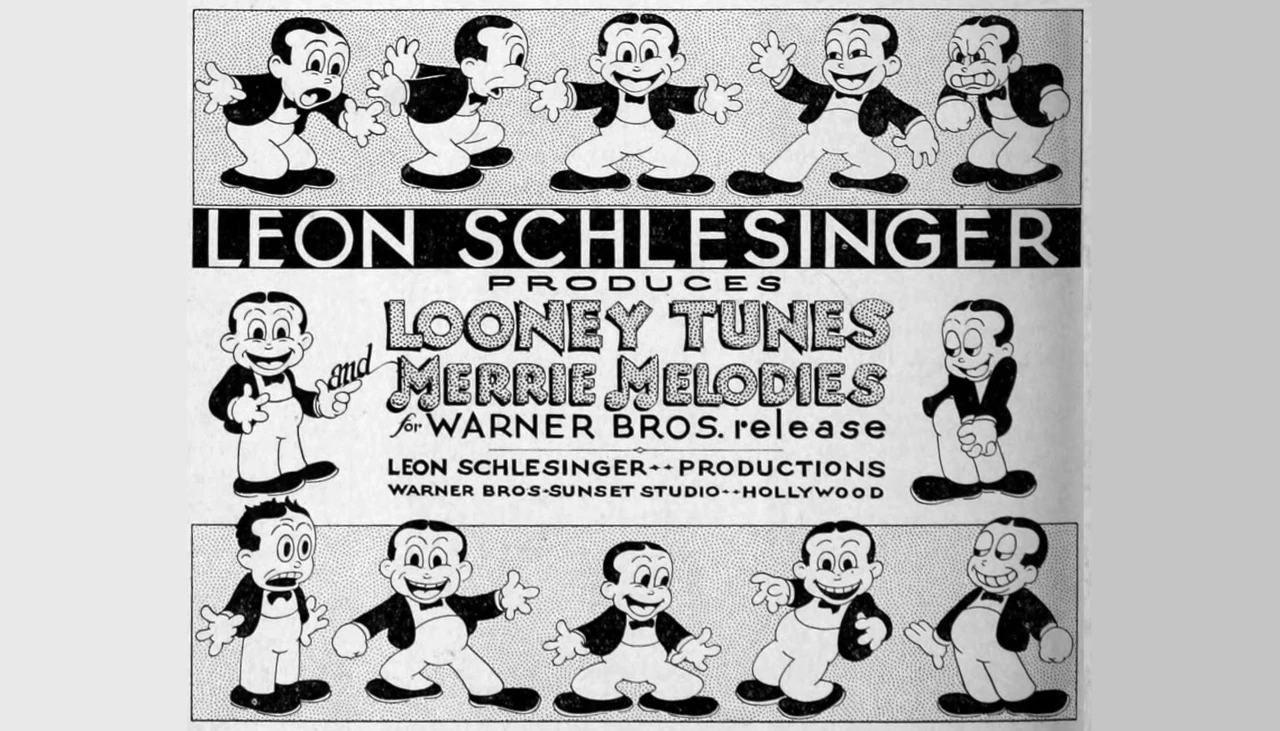
Leon Schlesinger produces Looney Tunes Merrie Melodies for Warner Bros.
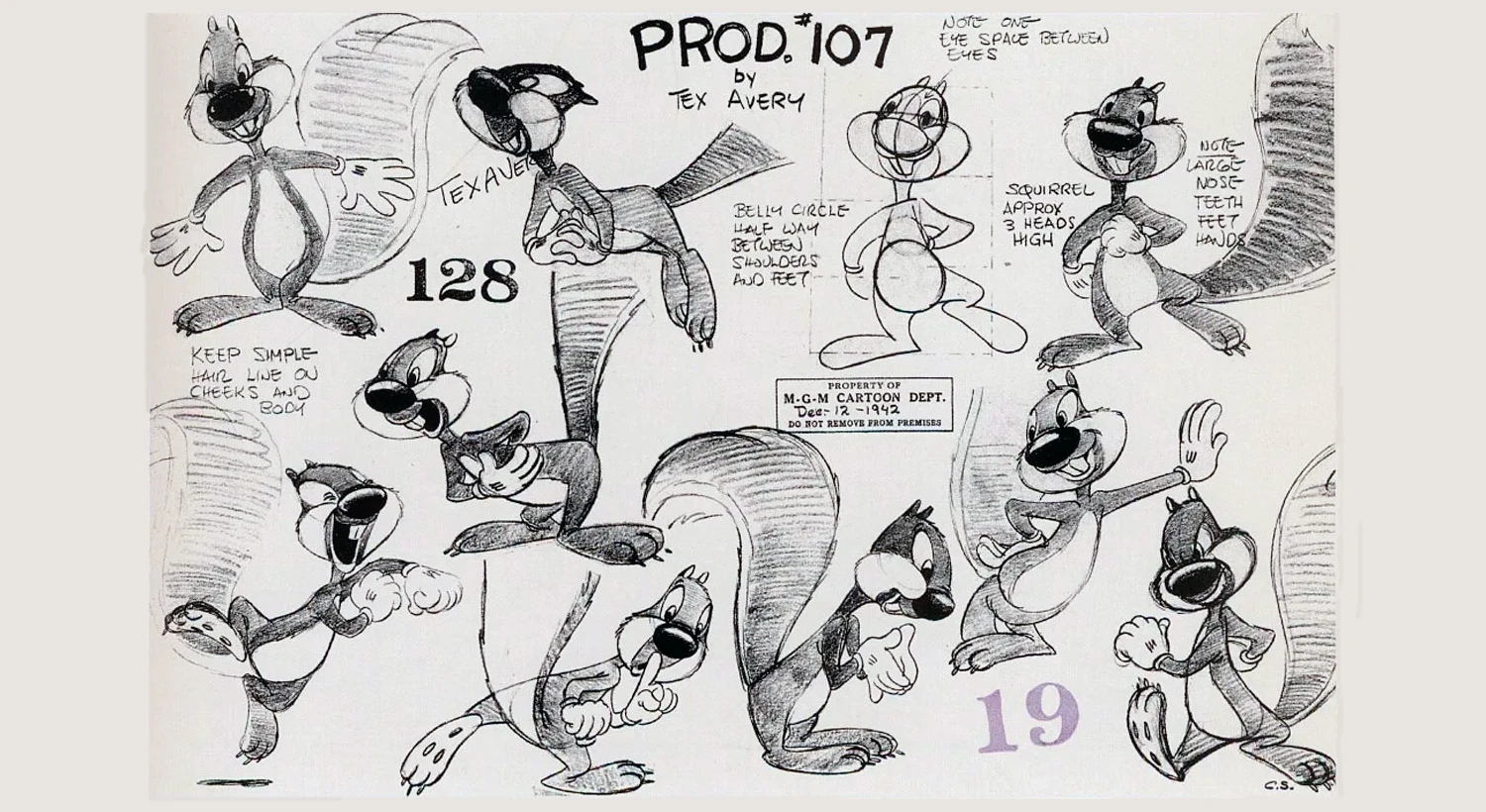
Sketches created by Tex Avery for character study.
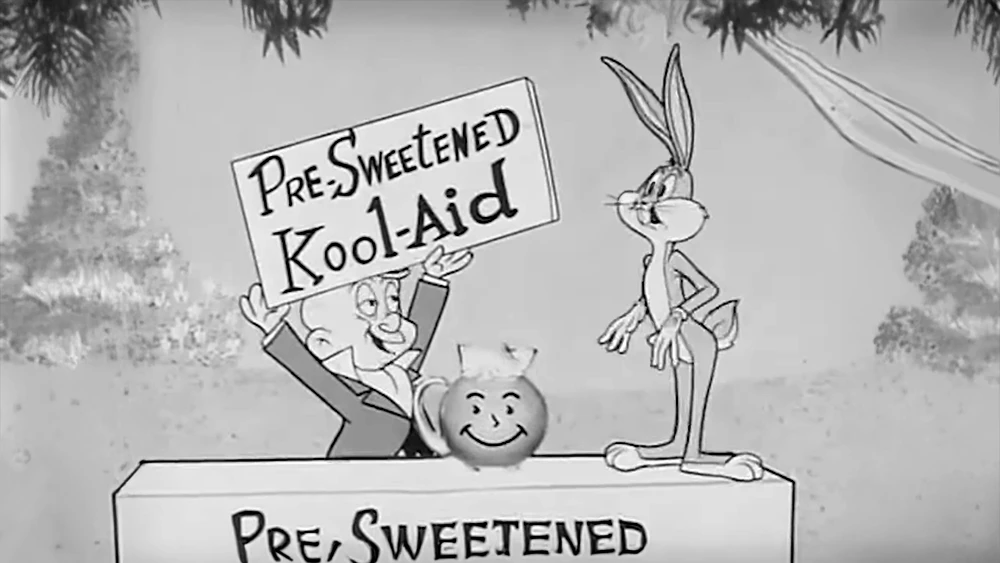
1930s advertisement featuring Bugs Bunny
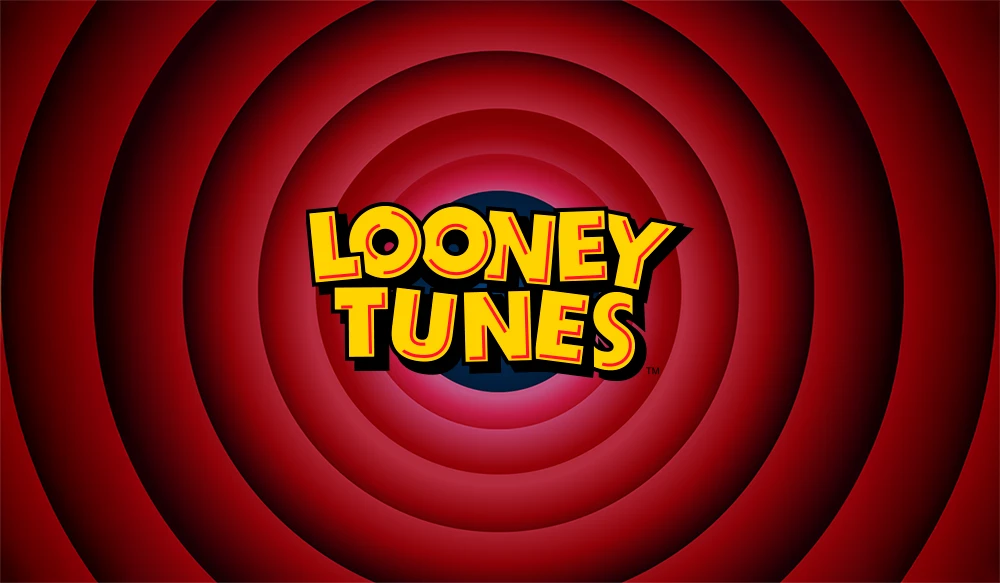
Competition with Disney: The Looney Tunes Style
Unlike Disney, which focused on emotional stories and endearing characters, Warner Bros. centered on fast-paced comedy and satire. While Disney produced feature films like Bambi or Cinderella, Looney Tunes became the king of animated shorts.
Warner Bros. specialized in:
Fast-paced and exaggerated humor (Slapstick).
Characters with strong, well-defined personalities.
Sharp dialogue and absurd comedy.
The Looney Tunes animators managed to set themselves apart from Disney not only through humor but also through visual creativity. Exaggerated expressions, chase gags, and unique sound effects made their characters truly special.
The Studio’s Closure and Its Comeback
Closure of the Studio in 1963
In 1963, Warner Bros. decided to close its original animation division, ‘Warner Bros. Cartoons,’ due to rising costs and declining profits in the production of animated shorts. This closure led former employees, such as Friz Freleng and David H. DePatie, to found their own animation studio, ‘DePatie-Freleng Enterprises,’ leasing the facilities of the old Warner Bros. studio. During this period, DePatie-Freleng produced new Looney Tunes and Merrie Melodies shorts for Warner Bros. until 1967.
Reopening of the Studio in 1967 and New Closure in 1969
In that same year, 1967, Warner Bros. decided to reactivate its animation division under the name ‘Warner Bros.-Seven Arts Animation.’ However, this revival was brief, and in 1969, the studio closed its doors once again due to new financial challenges and changes in the entertainment industry.
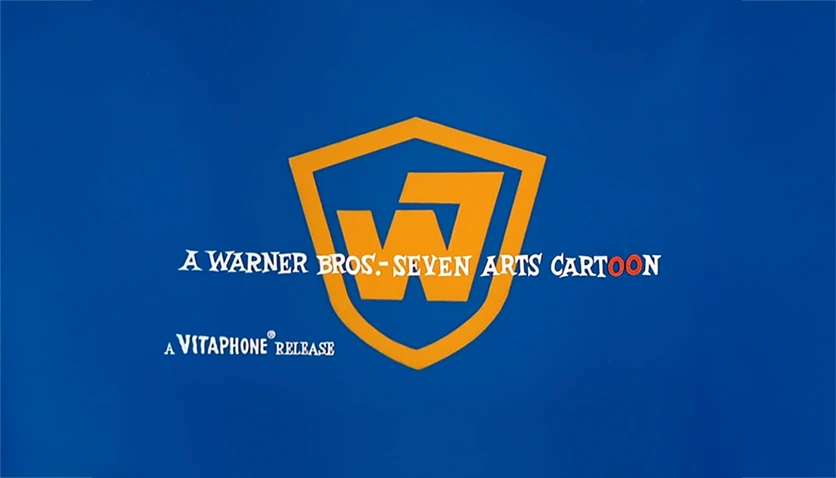
Reopening: Warner Bros. Animation in 1980
It wasn’t until March 15, 1980, that Warner Bros. re-established its animation division, this time under the name ‘Warner Bros. Animation.’ This rebirth was driven by the enduring success and popularity of the Looney Tunes characters, which motivated the studio to produce new content related to these franchises. Since then, ‘Warner Bros. Animation’ has expanded its focus to include the production of animated series based on DC Comics superhero characters, among other prominent projects.
Starting in 1990, new shows like ‘The Bugs Bunny Show‘ and ‘Tiny Toon Adventures‘ premiered.
Although the Warner Bros. animation division experienced closures and reopenings, the company always maintained the rights to its characters and intellectual properties. The reopenings and restructurings were internal Warner Bros. initiatives, with no changes in company ownership.
In 1996, Space Jam brought Bugs Bunny and his friends to the big screen alongside Michael Jordan, reintroducing the characters to a brand-new audience. In recent years, Warner Bros. has continued to release new series like ‘Looney Tunes Cartoons,’ keeping their legacy alive.
In 2021, ‘Space Jam: A New Legacy’ premiered as a standalone sequel to the first Space Jam. This time, it starred basketball player LeBron James alongside the most famous Looney Tunes characters such as Bugs Bunny, Lola Bunny, Daffy Duck, and more.
Looney Tunes Fun Facts
In the Looney Tunes universe, characters didn’t just stay in their own shows… they loved invading everyone else’s! Bugs Bunny, Daffy Duck, Porky Pig, and Elmer Fudd frequently appeared together in shorts where they faced off, competed, or simply stole the spotlight from one another.
This constant mixing of characters was one of the keys to Looney Tunes’ humor: no matter who the star was, there was always room for an unexpected cameo, funny rivalries, pranks… and plenty of chaotic mix-ups!
Origin of the ‘ACME Corporation’ Name
The famous ‘ACME’ brand often appears with incredible inventions… that never actually work.
The name ACME means ‘the best’ or ‘the peak‘ in Greek, and it was a very common name in the 1930s. Businesses used it to appear first in telephone directories (Yellow Pages), and it became synonymous with a brand that has everything… except products that work properly. The creators of Looney Tunes adopted ACME to parody consumerism and exaggerated advertising. It became a symbol of absurd humor, appearing on all kinds of items and clever devices that never quite lived up to expectations. Wile E. Coyote was one of the characters who had the most opportunities to find this out firsthand.
- Bugs Bunny is the only animated character with a star on the Hollywood Walk of Fame.
- The short ‘What’s Opera, Doc?’ was added to the US National Film Registry for its cultural significance.
- The first full-color short was ‘Honeymoon Hotel‘ (1934).
The Voices of Looney Tunes Cartoons
The Looney Tunes characters are iconic not only for their design and personality, but also for the voices that brought them to life. Mel Blanc, known as ‘The Man of a Thousand Voices,’ was the original voice actor for most of the classic characters and left behind an indelible legacy.
In Spanish, legendary dubbing actors like Jorge ‘El Tata’ Arvizu have portrayed these characters over the years, adapting their expressions and charisma to the different versions of the franchise. In both Latin America and Spain, the voices of Looney Tunes have defined generations and remain a fundamental part of animation history.
Below is a list of the most emblematic Looney Tunes characters, along with the actors who voiced them in the original English version and the voice actors who portrayed them in Spanish:
Bugs Bunny
Original English voice:
Mel Blanc (1940-1989)
Jeff Bergman (1990-1992, 2011-present)
Greg Burson (1992-1995)
Billy West (Space Jam, 1996)
Joe Alaskey (2000-2011)
Eric Bauza (Looney Tunes Cartoons, 2020-present)
Spanish dubbing:
Latinoamérica: Jorge Arvizu “El Tata” (1957-1960)
Juan José Hurtado (1961-1969)
Luis Manuel Pelayo (1961-1969)
Quintín Bulnes (1961-1969)
Arturo Mercado (1970-1994)
Alfonso Obregón (1994-2003)
Luis Alfonso Mendoza (2003-2020)
Miguel de León (Looney Tunes Cartoons, 2021-present)
España:Miguel Ángel Jenner (Looney Tunes: Back in Action, 2003)
Xavier Fernández (The Looney Tunes Show, 2011-2014)
Daffy Duck
Original English voice:
Mel Blanc (1937-1989)
Jeff Bergman (1990-1993, 2011-present)
Joe Alaskey (1990-2011)
Eric Bauza (Looney Tunes Cartoons, 2020-present)
Spanish dubbing:
Latinoamérica: Jorge Arvizu “El Tata” (1957-1960)
Juan José Hurtado (1961-1969)
Arturo Mercado (1970-1994)
Sebastián Llapur (Looney Tunes: Back in Action, 2003)
Irwin Daayán (The Looney Tunes Show, 2011-2014)
España: Juan Antonio Bernal (The Looney Tunes Show, 2011-2014)
Porky Pig
Original English voice:
Mel Blanc (1935-1989)
Bob Bergen (1990-present)
Spanish dubbing:
Latinoamérica: Juan José Hurtado (1961-1969)
Ernesto Lezama (Space Jam, 1996; Looney Tunes: Back in Action, 2003)
Jorge Roig Jr. (The Looney Tunes Show, 2011-2014)
Spain: Jesús Barreda (The Looney Tunes Show, 2011-2014)
Tweety
Original English voice:
Mel Blanc (1942-1989)
Bob Bergen (1990-present)
Spanish dubbing:
Latin America: Diana Santos (Space Jam, 1996)
Circe Luna (The Looney Tunes Show, 2011–2014)
Spain: Berta Cortés (Looney Tunes: Back in Action, 2003)
Sylvester the Cat
Original English voice:
Mel Blanc (1945-1989)
Joe Alaskey (1990-2011)
Jeff Bergman (2011-present)
Spanish dubbing:
Latin America: Jorge Arvizu “El Tata” (1957-1960)
Juan José Hurtado (1961-1969)
Arturo Mercado (1970-1994)
Alfonso Obregón (Space Jam, 1996)
Alfonso Ramírez (The Looney Tunes Show, 2011-2014)
España:César Martínez (Looney Tunes: Back in Action, 2003)
Elmer Fudd
Original English voice:
Arthur Q. Bryan (1940-1959)
Mel Blanc (1959-1989)
Jeff Bergman (1990-present)
Spanish dubbing:
Latin America: Quintín Bulnes (1961-1969)
Arturo Mercado (1970-1994)
Sebastián Llapur (Looney Tunes: Back in Action, 2003)
Sergio Gutiérrez Coto (The Looney Tunes Show, 2011-2014)
España: Javier Franquelo (Looney Tunes: Back in Action, 2003)
Yosemite Sam
Original English voice:
Mel Blanc (1945-1989)
Joe Alaskey (1990-2011)
Jeff Bergman (2011-present)
Spanish dubbing:
Latin America: Alfonso Obregón (Looney Tunes: Back in Action, 2003)
Gerardo Reyero (The Looney Tunes Show, 2011-2014)
Spain: Pepe Mediavilla (Looney Tunes: Back in Action, 2003)
Wile E. Coyote & Road Runner
Original English voice:
Wile E. Coyote: Mel Blanc (occasionally spoke in some shorts)
Road Runner: Has no voice, only his classic ‘Beep, beep!’ sound effecto
Spanish dubbing:
It usually features no dialogue, so it does not have regular voice actors.
Marvin the Martian
Original English voice:
Mel Blanc (1948-1989)
Joe Alaskey (1990-2011)
Eric Bauza (2020-present)
Spanish dubbing:
Latin America: Alfonso Obregón (Looney Tunes: Back in Action, 2003)
Pedro D’Aguillón Jr. (The Looney Tunes Show, 2011-2014)
Spain: Fernando de Luis (Looney Tunes: Back in Action, 2003)
Pepé Le Pew
Original English voice:
Mel Blanc (1945-1989)
Joe Alaskey (1990-2011)
Jeff Bergman (2011-present)
Spanish dubbing:
Latin America: Mario Castañeda (Looney Tunes: Back in Action, 2003)
Spain: Miguel Ángel Jenner (Looney Tunes: Back in Action, 2003)
Witch Hazel
Original English voice:
June Foray (1954-2017)
Candi Milo (2020-present)
Spanish dubbing:
Latin America: Diana Santos
Spain: Mercedes Montalá
Foghorn Leghorn
Original english voice:
Mel Blanc (1946-1989)
Joe Alaskey (1990-2011)
Jeff Bergman (2011-present)
Spanish dubbing:
Latin America: Juan Domingo Méndez (Looney Tunes: Back in Action, 2003)
Spain: Pedro Sempson (Looney Tunes: Back in Action, 2003)
The Legacy of Looney Tunes
- Looney Tunes has influenced generations of animators and filmmakers.
- Its comedic style left its mark on shows such as The Simpsons, Animaniacs, and Family Guy.
- The characters live on in current series like Looney Tunes Cartoons (Max).
Looney Tunes is not just an animated series; it is a part of popular culture. From its creation in the 1930s to the present day, this brand has left an indelible mark on The history of animation. Its characters have transcended generations, and its humor remains just as fresh and funny. Without a doubt, Looney Tunes is one of the most important animated series of all time. Who is your favorite character? Let us know in the comments and share it on social media!
Who is your favorite character? Leave us a comment and share it on social media!